October 9, 2026
What America calls its healthcare system is the result of an accumulation of unintended consequences on which everyone depends but for which no one is – or wants to be – accountable.
Each year, Trilliant Health's Trends Shaping the Health Economy Report examines the forces reshaping the U.S. health economy. This year's edition, A Tragedy of the Commons, examines how individually rational decisions by every stakeholder compound into collective failure across six trends, from population unwellness to misaligned incentives to the negative-sum dynamics now facing hospitals, payers and other stakeholders. What follows is a summary of the report's central argument and key findings.
The U.S. Health Economy Is a Tragedy of the Commons
In Politics, Aristotle diagnosed a failure of shared resources, writing that common property "has the least care bestowed upon it" since people think “chiefly of his own, hardly at all of the common interest.” Centuries later, Garrett Hardin named that failure the tragedy of the commons. Picture a pasture open to every herder. Each herder, acting rationally in their own interest, adds one more animal to graze until the pasture is depleted. No one intended the outcome, but everyone contributed to it. The U.S. health economy, which consumes $1 out of every $21 of global GDP, is a tragedy of the commons, every stakeholder grazing the metaphorical pasture toward collective ruin.
The health economy is governed by incentives that reward individual actors for behavior the collective cannot sustain. The insurance risk pool only works if enough healthy people subsidize the sick, yet each individual has a rational incentive to defer enrollment until becoming ill. Every time an antibiotic is prescribed, it increases drug resistance, slowly eroding future effectiveness for everyone. The Emergency Medical Treatment and Active Labor Act guarantees treatment in the emergency department regardless of ability to pay, so the uninsured rationally default to that setting, and the cost is shared across hospitals, payers and taxpayers. Because broker commissions are often set as a percentage of premiums, higher health plan costs can translate into higher broker compensation, thus, leaving little incentive to negotiate a lower-cost, higher-value plan. The very nature of fee-for-service reimbursement is a commons: every additional test and procedure generates revenue for whoever delivers it, even as the aggregate effect is a health economy consuming an ever-growing share of GDP, while life expectancy stagnates.
The "herders" in each of these commons are behaving rationally and often according to their fiduciary duties. Providers are paid to treat illness, not to prevent it. Pharmacy benefit managers (PBMs) profit from higher, not lower, list prices. Patients, facing an opaque, fragmented system, default to the path of least resistance regardless of long-term cost. Every stakeholder, operating on the "no margin, no mission" logic of the health economy, is optimizing locally, while the healthcare system fails as a whole. This is precisely the mechanism Hardin identified: individually rational choices, driven by incentives that do not account for negative externalities, aggregate into an outcome that no one chose but everyone owns.
The question for every American is whether the commons that is the U.S. health economy is past the point of recovery. Hardin believed that a commons survives only through enclosure or "mutual coercion, mutually agreed upon." Through whatever mechanism, the future of the U.S. health economy is dependent on our ability to assign ownership, cost and accountability throughout the system.
This installment of the Trends Shaping the Health Economy Report examines the U.S. health economy through the lens of the tragedy of the commons, across six trends.
1. The U.S. Healthcare "System" Does Not Function as a System
The U.S. has never resolved a series of foundational questions: what is healthcare, who is entitled to it and who is obligated to pay? Current policy offers contradictory answers simultaneously. The same clinical encounter can be an earned entitlement, a welfare transfer, a commercially negotiated service or a consumer good, depending on which regulatory or reimbursement framework governs the transaction.
This fundamental disagreement, or rather lack of agreement, has been simmering for years, but stakeholders have done little other than increase the American consumer's share of the financial burden.
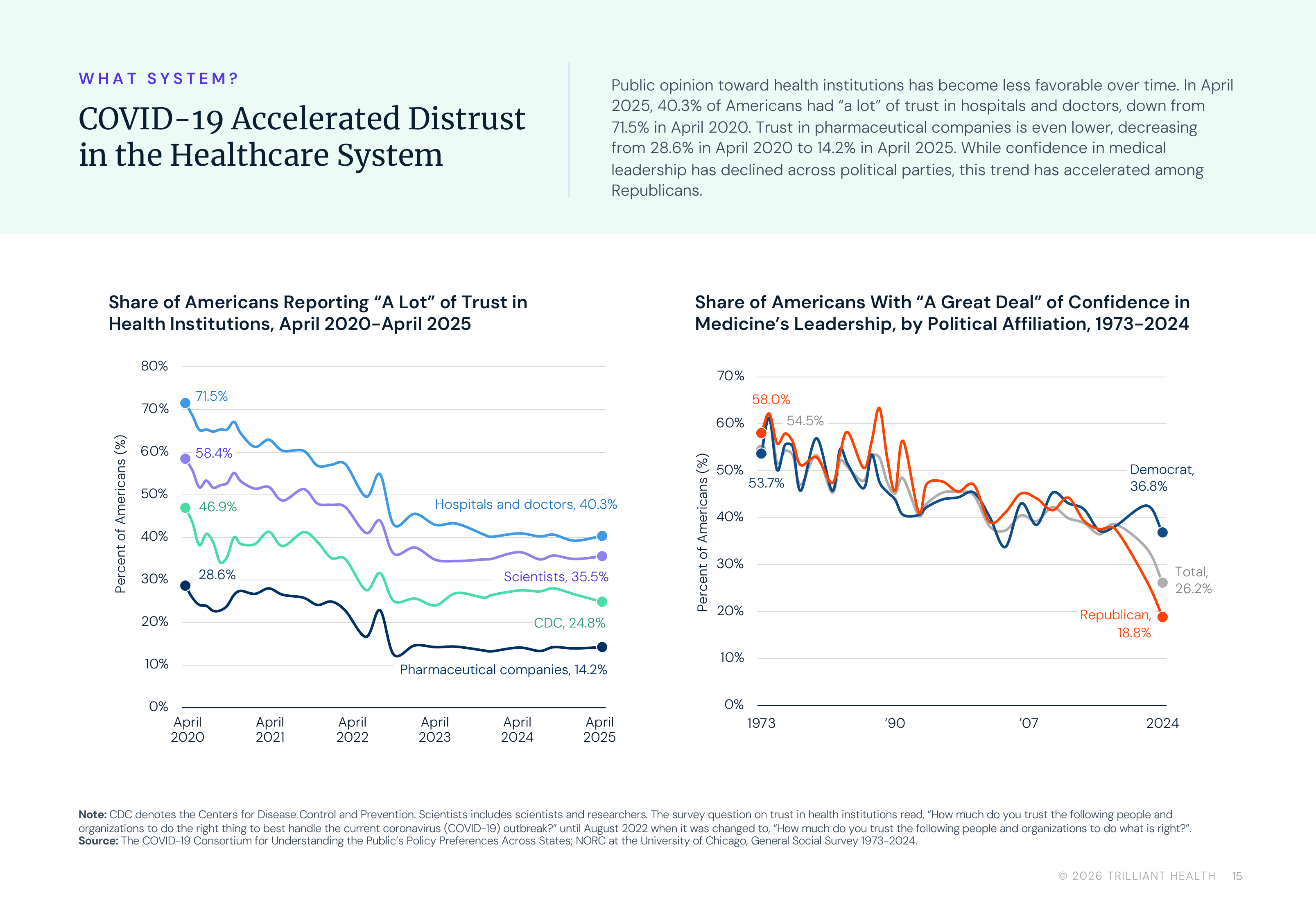
Unsurprisingly, individual Americans do not trust a system that they cannot reasonably and reliably navigate. That erosion of trust is visible in how Americans view the institutions at the center of care delivery. Public opinion toward health institutions has become less favorable over time, and COVID-19 accelerated distrust in the healthcare system. In April 2025, 40.3% of Americans had "a lot" of trust in hospitals and doctors, down from 71.5% in April 2020. Trust in pharmaceutical companies is even lower, decreasing from 28.6% in April 2020 to 14.2% in April 2025.
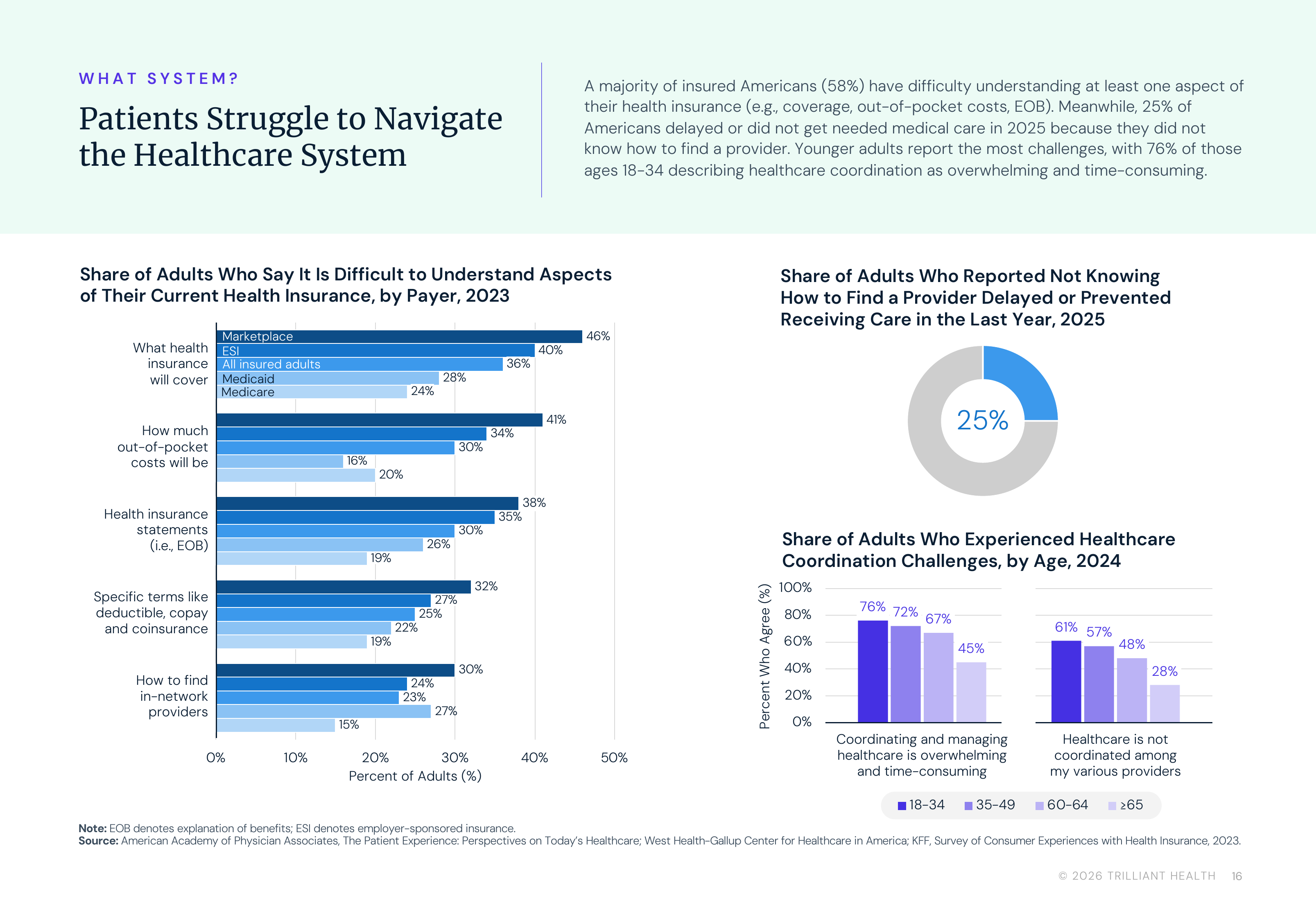
A majority of insured Americans (58%) have difficulty understanding at least one aspect of their health insurance (e.g., coverage, out-of-pocket costs, EOB). Meanwhile, 25% of Americans delayed or did not get needed medical care in 2025 because they did not know how to find a provider. Younger adults report the most challenges, with 76% of those ages 18-34 describing healthcare coordination as overwhelming and time-consuming.
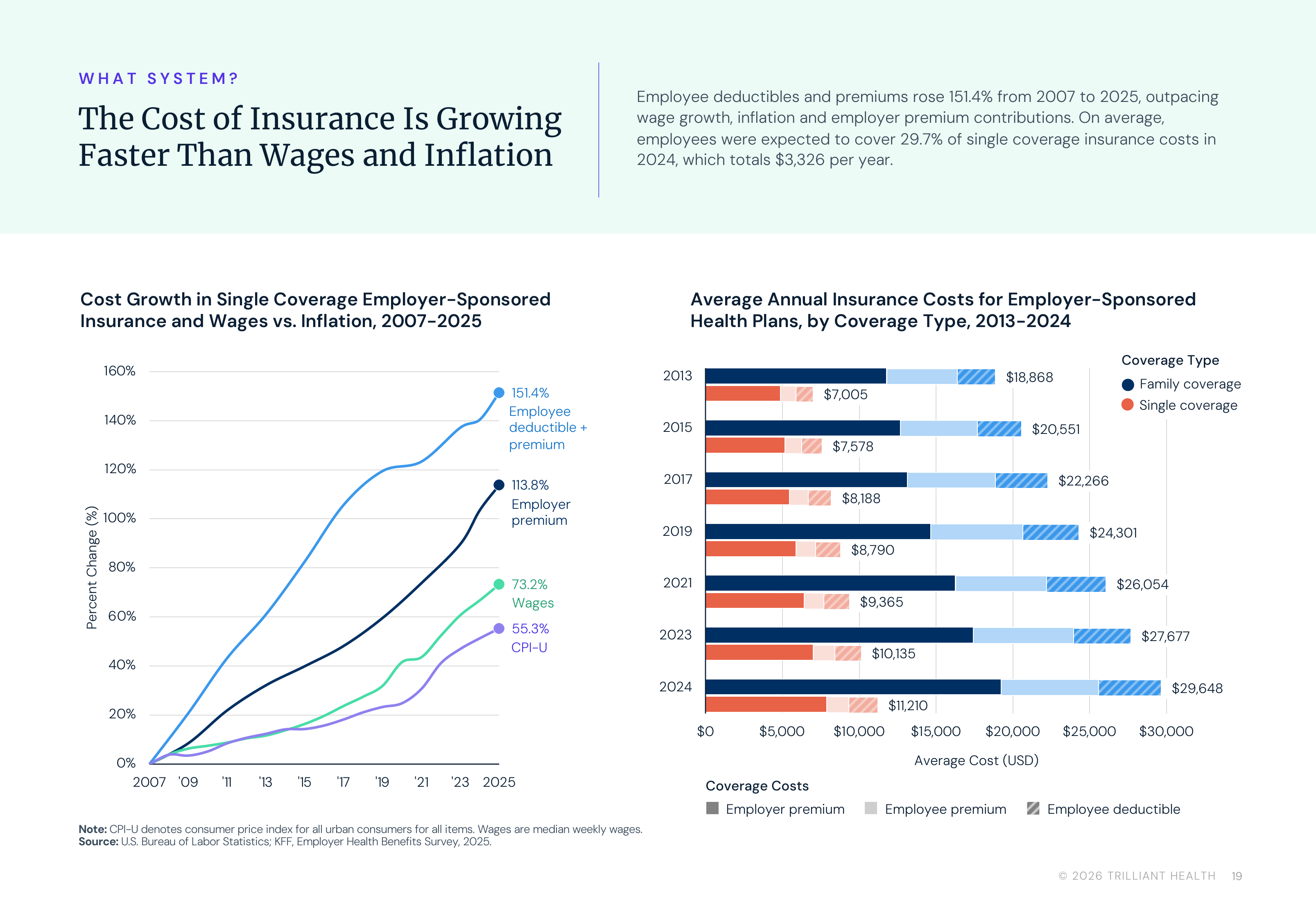
Declining trust is one consequence of the system’s unresolved questions. Another is cost: rather than resolve who is obligated to pay, stakeholders have steadily increased the American consumer’s share of the financial burden, and that shift is most visible in employer-sponsored insurance. Employee deductibles and premiums rose 151.4% from 2007 to 2025, outpacing wage growth, inflation and employer premium contributions. On average, employees were expected to cover 29.7% of single coverage insurance costs in 2024, which totals $3,326 per year.
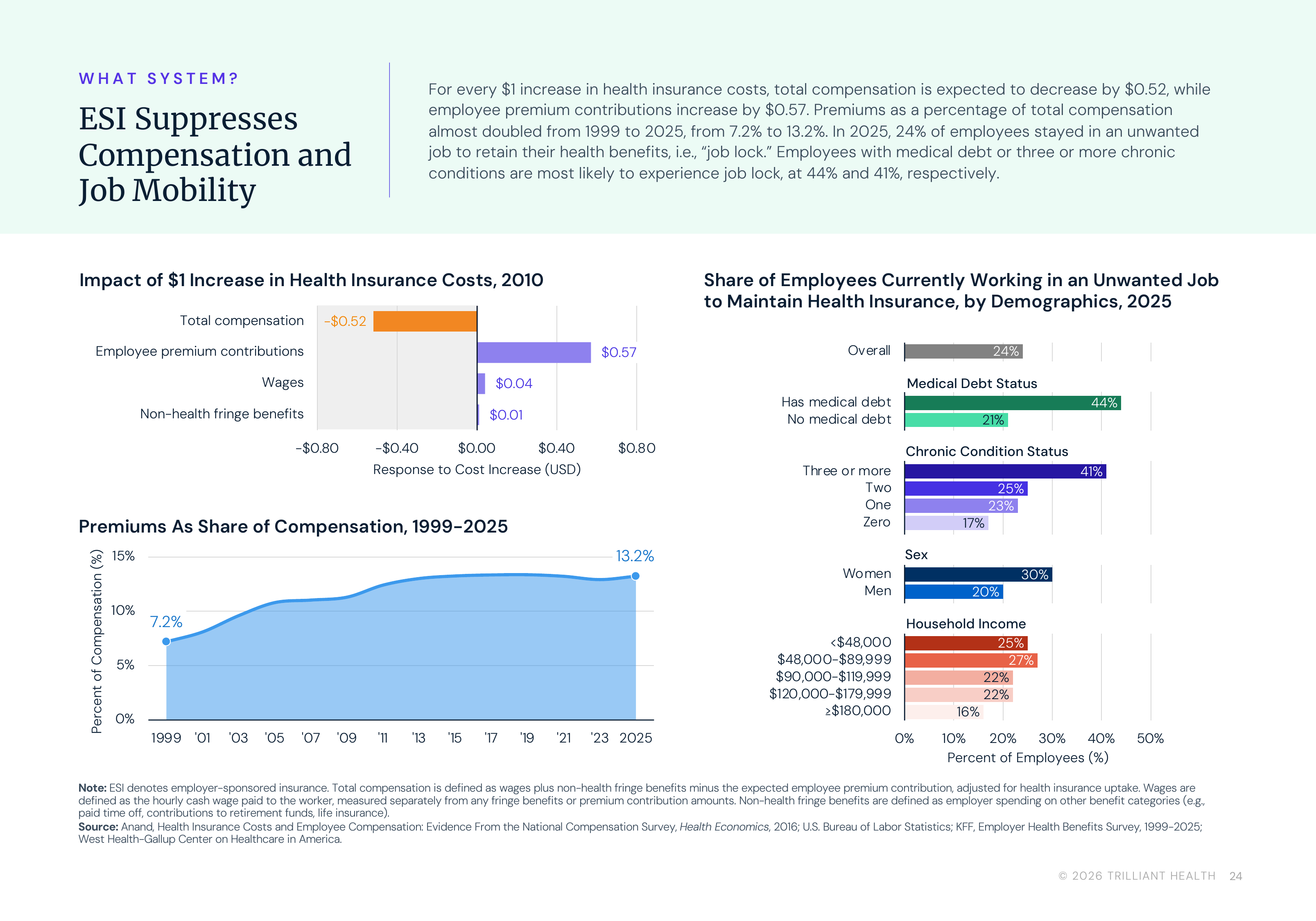
The burden of employer-sponsored insurance also suppresses total compensation and creates hesitancy to change jobs. For every $1 increase in health insurance costs, total compensation is expected to decrease by $0.52. Premiums as a percentage of total compensation almost doubled from 1999 to 2025, from 7.2% to 13.2%. In 2025, 24% of employees stayed in an unwanted job to retain their health benefits, i.e., "job lock."
Health economy stakeholders should expect that the tragedy of the commons will manifest in a "healthcare election" on November 7, 2028.
2. Population Unwellness Is a Collective Failure That the "System" Is Not Designed to Address
The deteriorating health of the American population is not entirely a medical system failure – it is the consequence of lifestyle, demographic and social trends that a sick care system, let alone a well-designed healthcare system, is poorly positioned to reverse. As the tragedy of the commons would predict, the vast majority of the U.S. health economy is oriented toward symptomatic treatment and intervention instead of prevention.
Poor diet, physical inactivity and social isolation are producing a population that is increasingly unwell, a trend exacerbated by distrust of the institutions designed to treat illness. The result is a risk pool that is deteriorating faster than the system can adapt. At present, population health is an unowned externality. No stakeholder is accountable for it because very little in the health economy measures whether the money spent generates a return on investment as measured by population health. As the American public becomes more aware of how social and structural factors contribute to poor population health, what it expects from the healthcare system will change.
That deterioration manifests most obviously in mortality. The U.S. mortality rate is 1.4x higher than the average mortality rate among 17 other high-income countries, resulting in 905,159 excess deaths. Contributing to this, deaths due to homicide (14.3x), drug poisoning (7.5x), HIV/AIDS (6.2x) and transportation accidents (4.1x) are much more common in the U.S. than in peer countries.
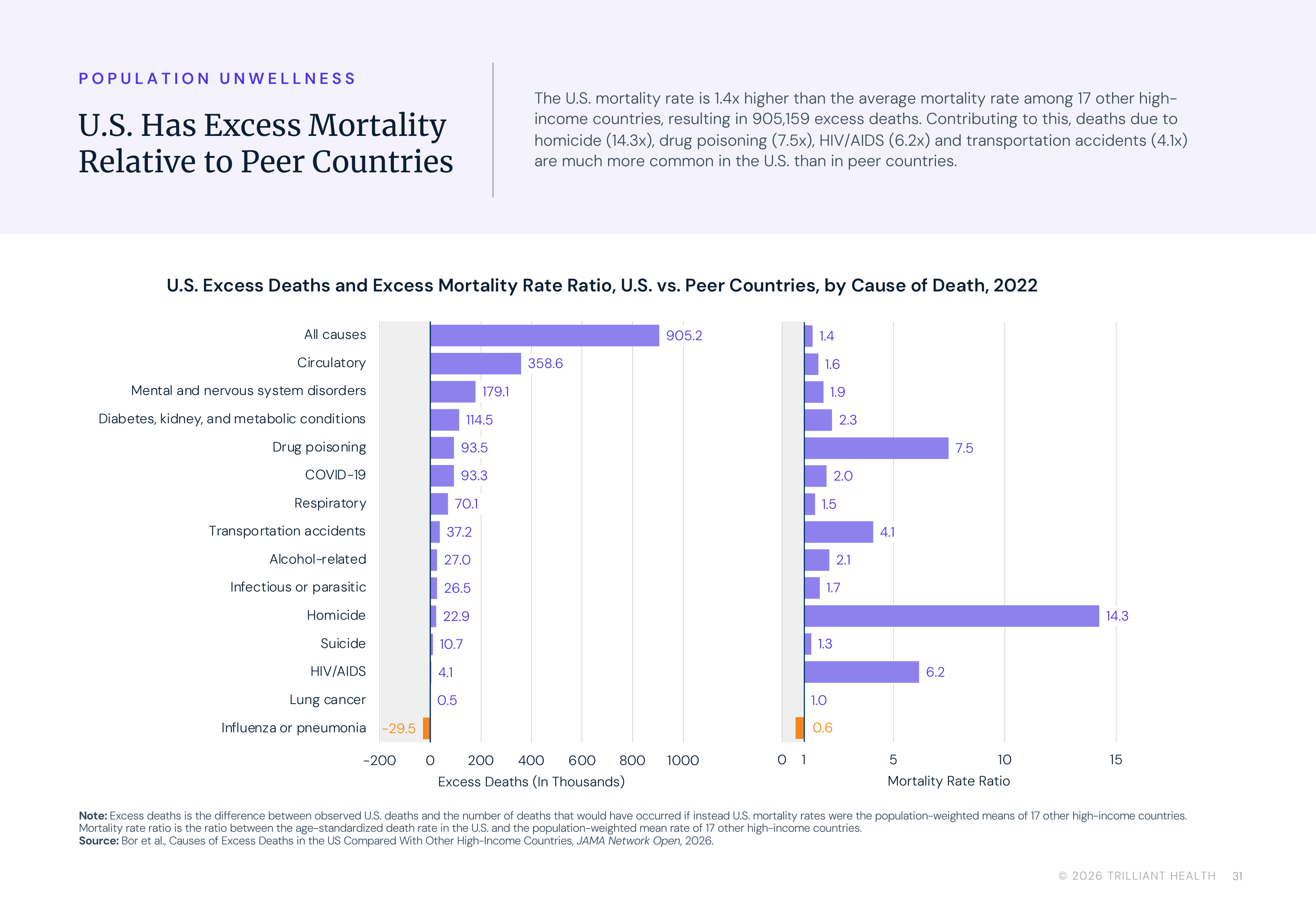
Many of the causes driving excess mortality, from homicide to drug poisoning to transportation accidents, sit largely outside the clinical encounter. Signs of deteriorating health are also emerging earlier in life, beginning with child and adolescent mental health.
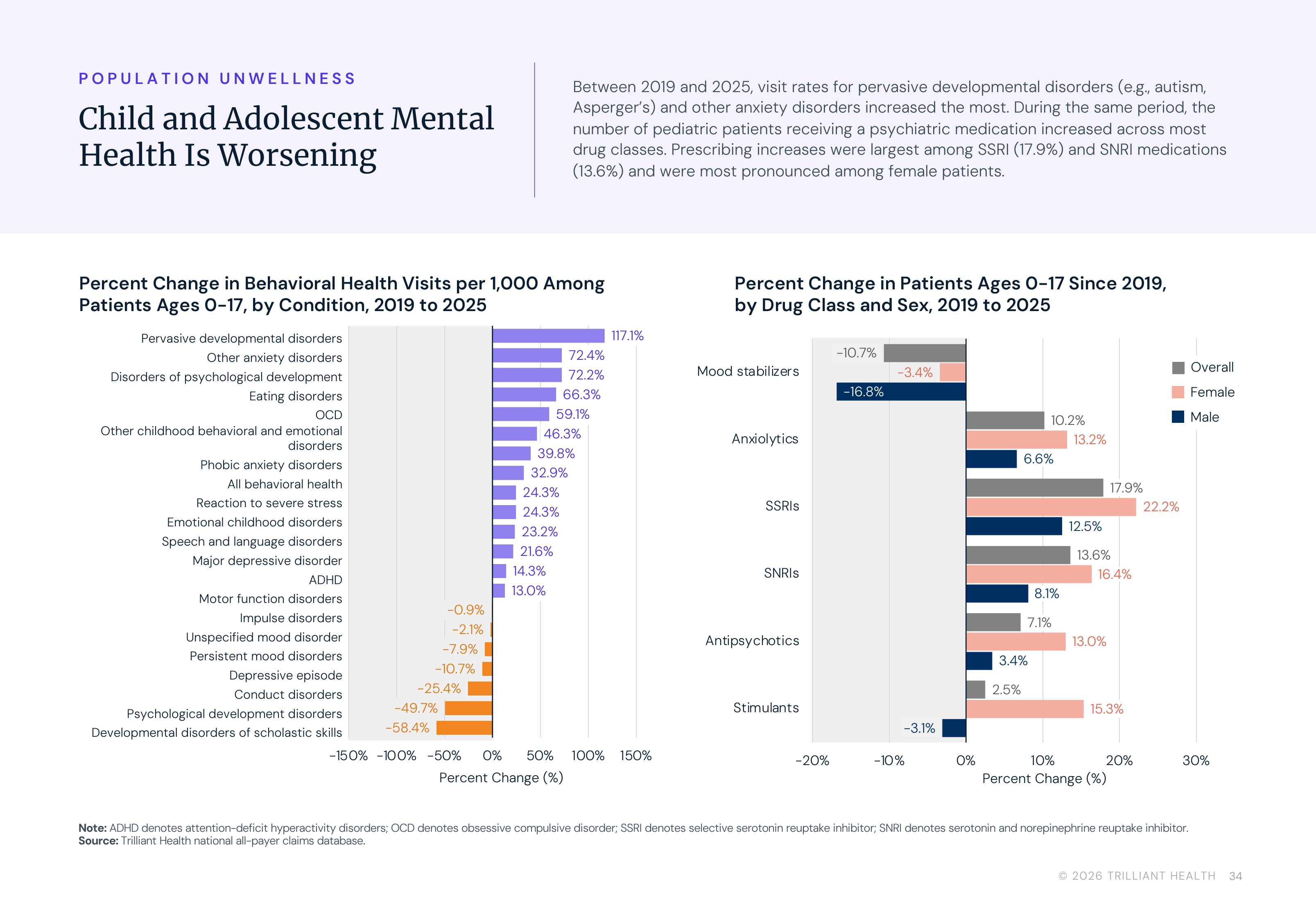
Between 2019 and 2025, the visit rate for pervasive developmental disorders (e.g., autism, Asperger's) and other anxiety disorders increased the most among patients ages 0-17. During the same period, the number of pediatric patients receiving a psychiatric medication increased across most drug classes. Prescribing increases were largest among SSRI (17.9%) and SNRI medications (13.6%) and were most pronounced among female patients.
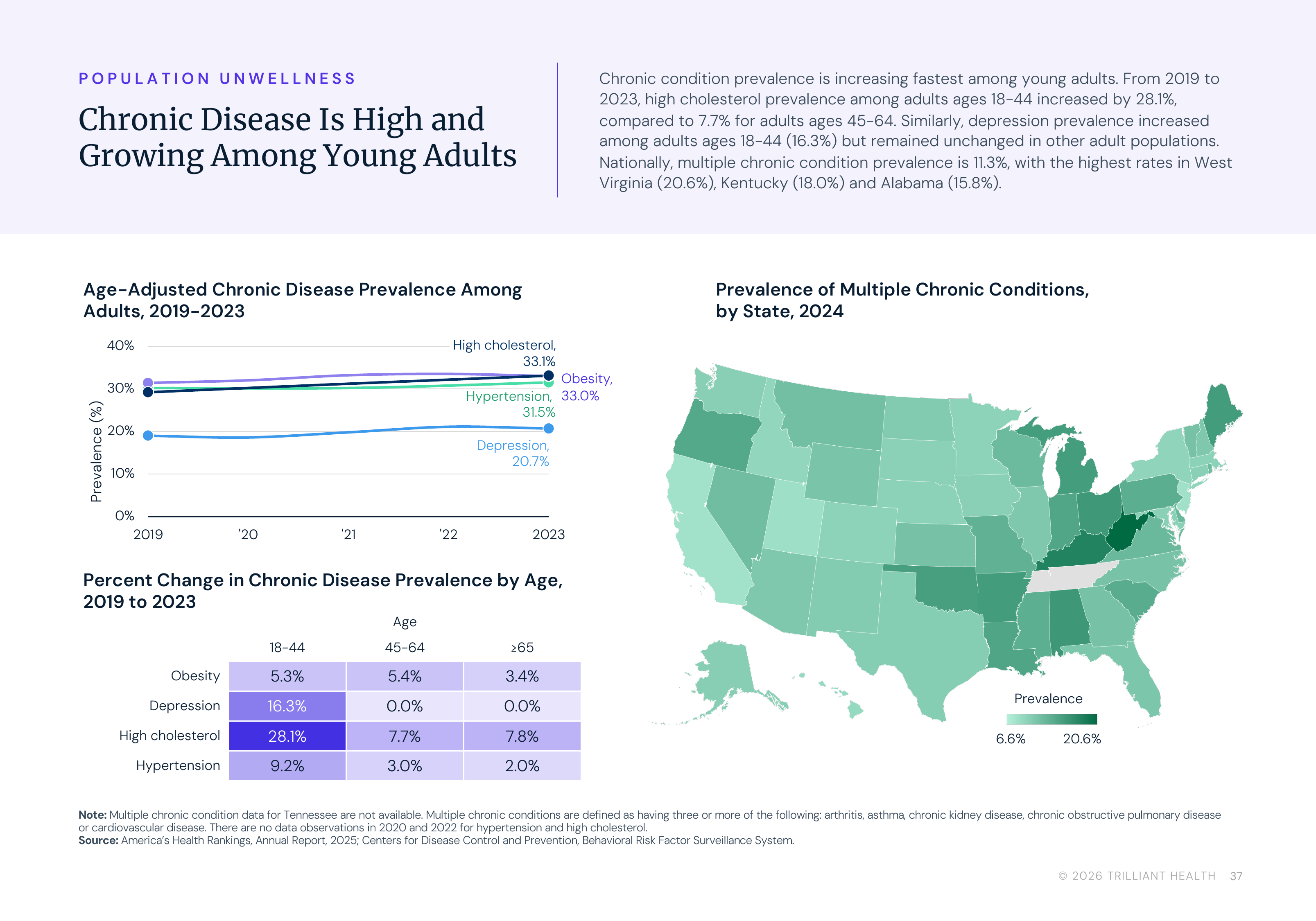
The pattern continues into adulthood, where chronic condition prevalence is increasing fastest among young adults. From 2019 to 2023, high cholesterol prevalence among adults ages 18-44 increased by 28.1%, compared to 7.7% for adults ages 45-64. Similarly, depression prevalence increased among adults ages 18-44 (16.3%) but remained unchanged in other adult populations.
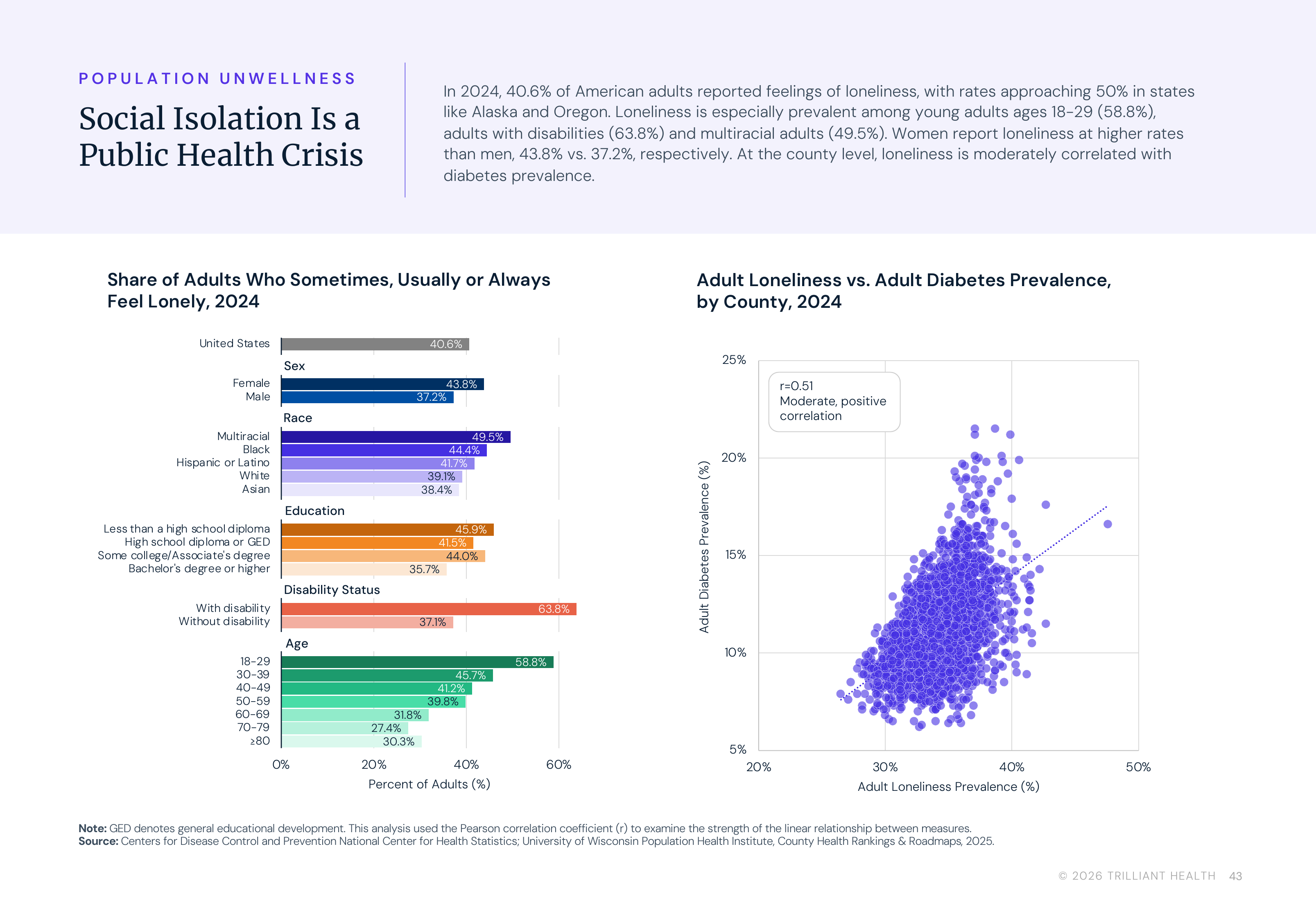
Poor diet and physical inactivity are well-known catalysts of chronic disease. Social isolation is a less visible one, and it is also most prevalent among young adults. In 2024, 40.6% of American adults reported feelings of loneliness. Loneliness is especially prevalent among young adults ages 18-29 (58.8%) and adults with disabilities (63.8%). At the county level, loneliness is moderately correlated with diabetes prevalence.
3. The Disconnect Between Demand and Supply Is a Market Failure
The health economy has systematically overbuilt capacity in high-margin specialty and procedural care, while chronically underinvesting in primary care and behavioral health. The result is a system that delivers an abundance of what is profitable and a scarcity of what is considered essential to health. This mismatch will only intensify as the number of adults 65 and older continues to grow and too few physicians pursue primary care over more lucrative specialties, a financially rational decision.
Utilization has remained relatively flat even as disease burden rises, reflecting supply that is both constrained and misaligned with the needs of an increasingly unhealthy population. Simultaneously, those who proactively want to improve or maintain their health find that the current system has little to offer. Polypharmacy, low-value care and unnecessary procedures coexist with unmet need for basic screening and mental health treatment – not because demand is absent but because most reimbursement structures incentivize intervention over prevention, volume over outcomes and procedural complexity over cognitive coordination.
The system is not undersupplying care. It is all too often supplying the wrong care, to the wrong patients, at the wrong stage of disease progression.
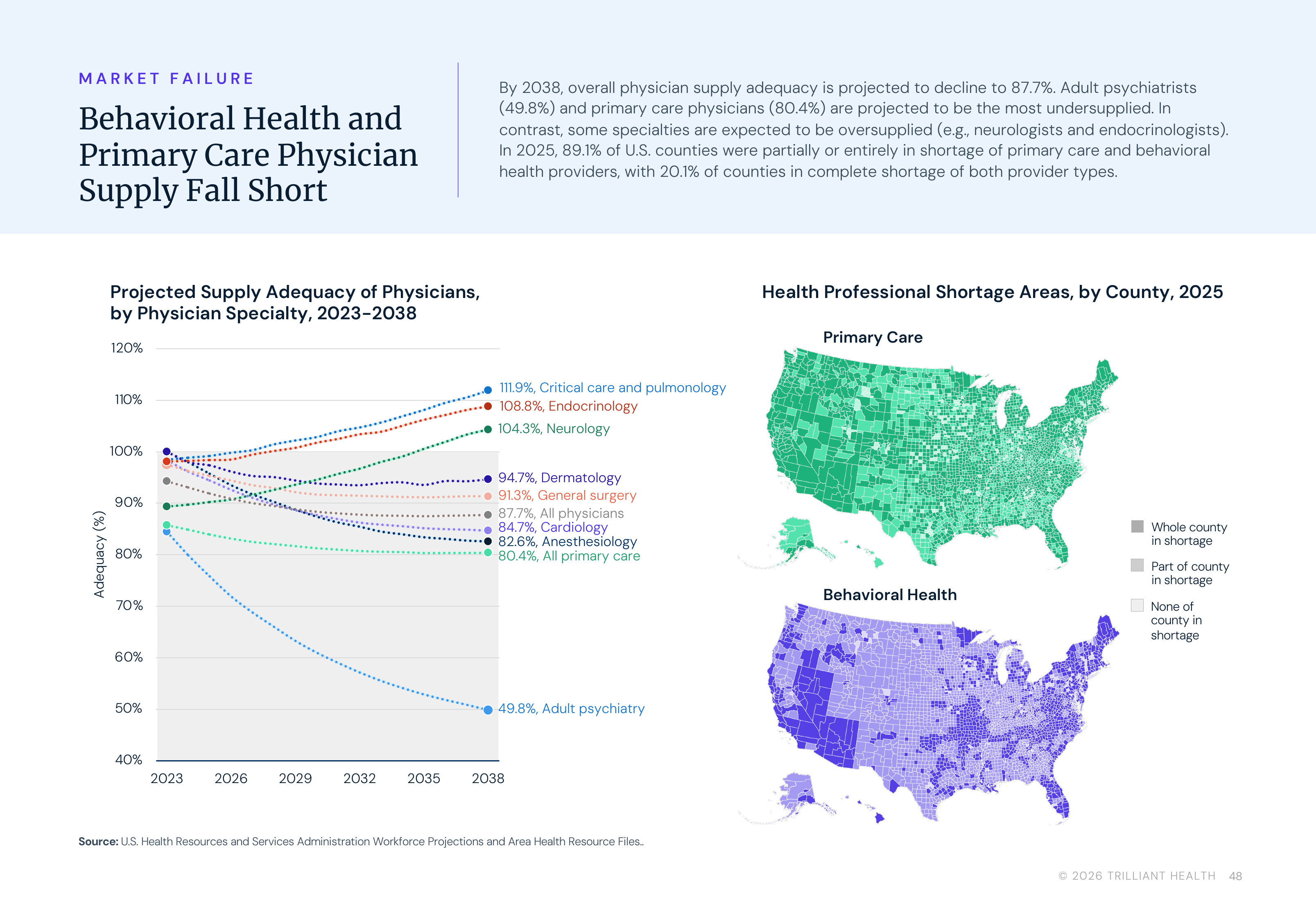
By 2038, overall physician supply adequacy is projected to decline to 87.7%. Adult psychiatrists (49.8%) and primary care physicians (80.4%) are projected to be the most undersupplied. In 2025, 89.1% of U.S. counties were partially or entirely in shortage of primary care and behavioral health providers.
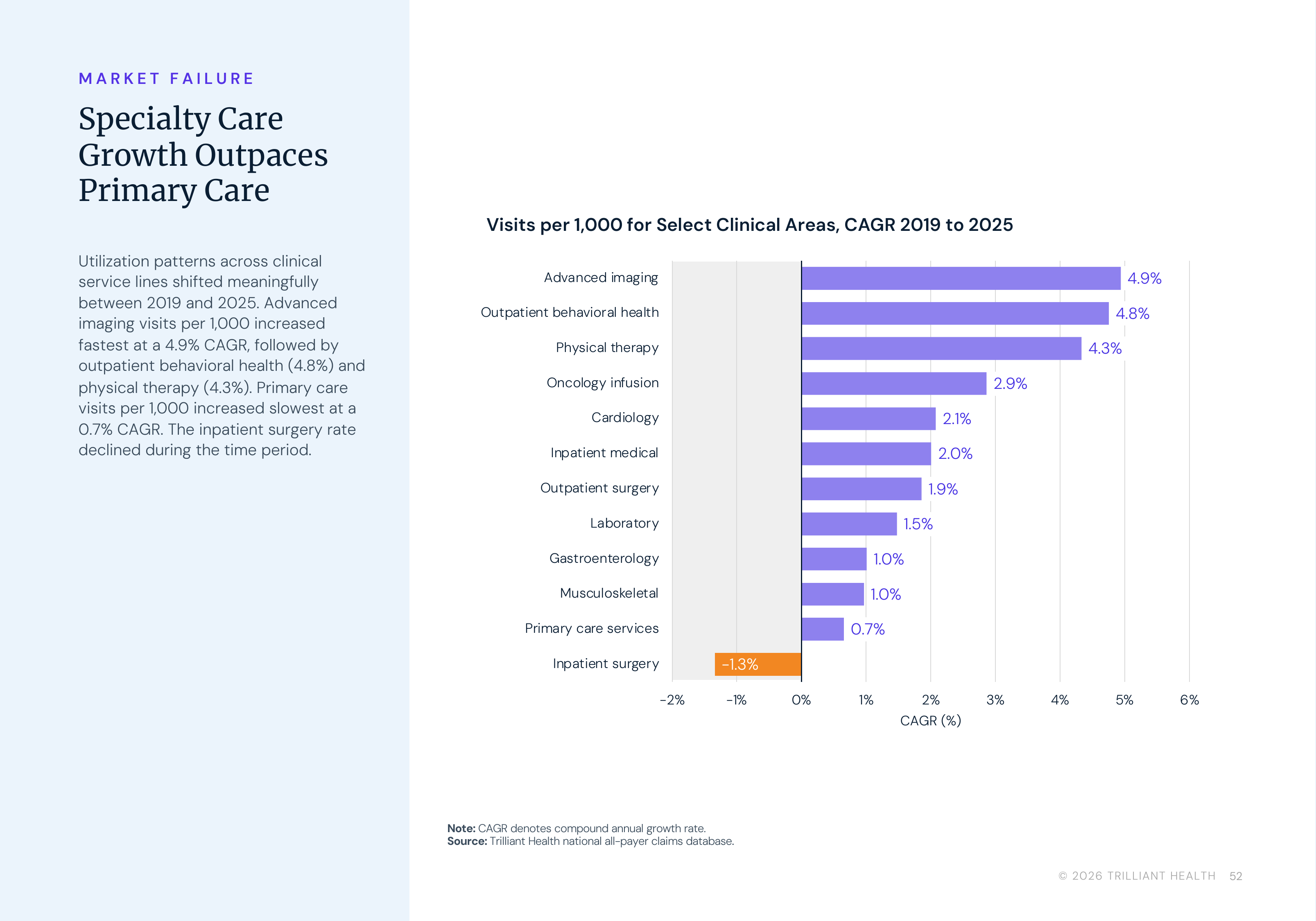
Supply shapes what care patients receive. Between 2019 and 2025, advanced imaging visits per 1,000 increased fastest at a 4.9% compound annual growth rate (CAGR), followed by outpatient behavioral health (4.8%) and physical therapy (4.3%). Primary care visits per 1,000 increased slowest at a 0.7% CAGR.
There are 7.8x more specialists than generalists in the U.S., the second highest ratio in the OECD behind Greece. On average, specialist physicians in the U.S. earn 42% more than generalists, a gap that slightly exceeds the OECD average.
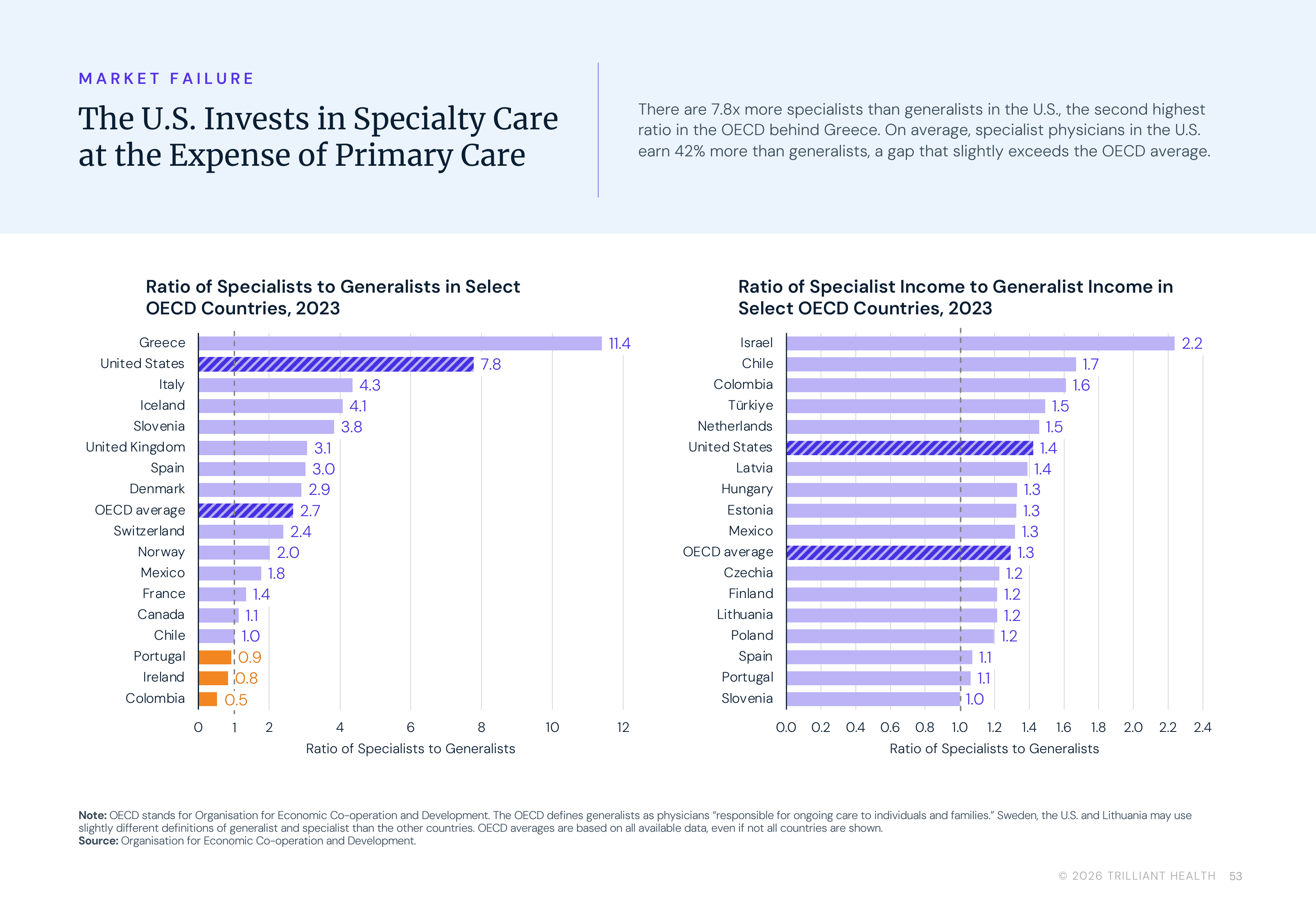
When specialists outnumber generalists nearly eight to one and earn 42% more, choosing a specialty over primary care is a financially rational decision for any individual physician. No single actor is positioned to correct a misallocation that every actor is individually rewarded for deepening.
4. Value Is Not Incentivized; Therefore, It Is Not Measured or Managed
The population is growing sicker, despite record levels of health spending. That disconnect exists because the U.S. health economy has never clearly defined, and therefore has never properly incentivized, the concept of value for money.
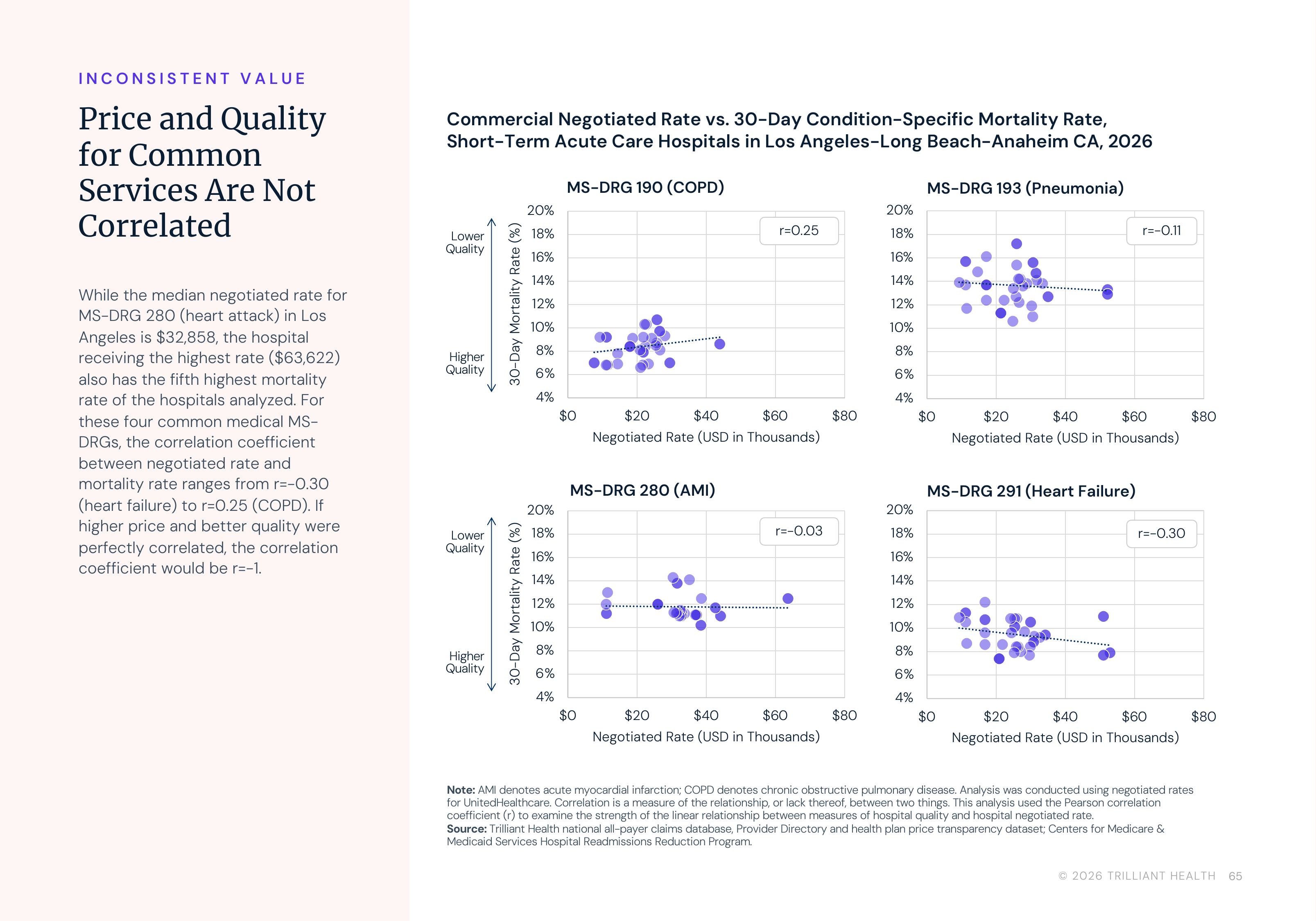
On average, there is no observable correlation between cost and quality for most common hospital procedures – higher negotiated rates do not predict better outcomes. This is both a quality problem and a pricing problem. More than 25 years after To Err is Human, just 27% of active CMS quality measures are tied to outcomes. At the same time, price is determined by geographic accident, negotiating leverage, broker relationships and institutional inertia rather than clinical performance. Every stakeholder that benefits from the current pricing environment – insurers who earn higher premium revenue as costs rise, providers whose rates are uncorrelated with quality, intermediaries who profit from complexity – has a structural incentive to resist the value framework that the system nominally claims to pursue.
Across every domain, the system generates enormous quantities of activity without a coherent framework for determining whether that activity produces proportionate – or any measurable – health benefit. High-cost pharmaceuticals displace surgical procedures without comparative cost-effectiveness data or, in some cases, any efficacy data at all. Polypharmacy accumulates without deprescribing protocols. Coding intensity rises without audit mechanisms to confirm equivalent clinical intensity.
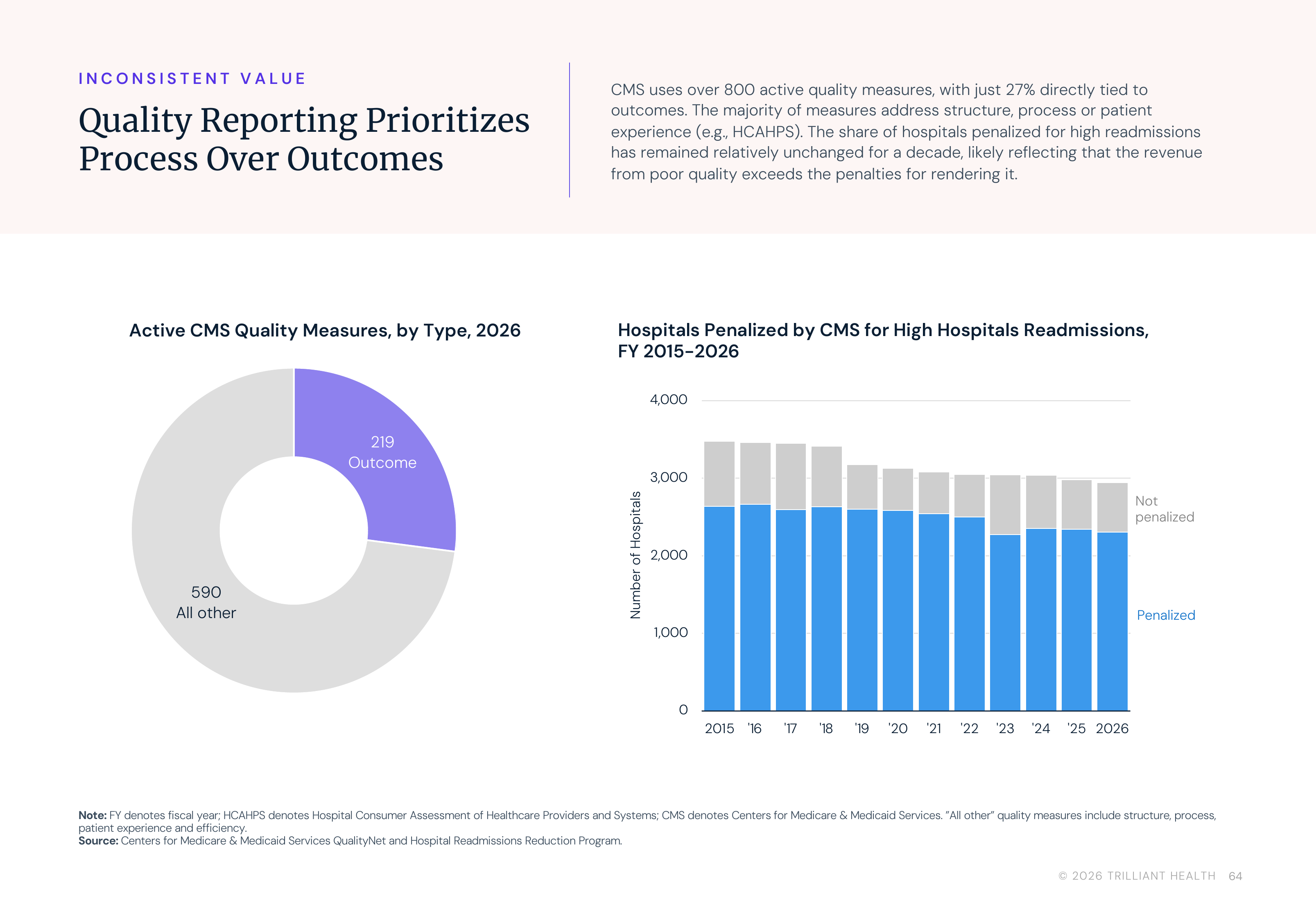
The absence of value measurement is not an oversight, but rather a structural feature of a fee-for-service system that monetizes volume rather than outcomes. CMS uses over 800 active quality measures, with just 27% directly tied to outcomes.
As a general principle, there is no observable correlation between cost and quality for most common inpatient admissions. While the median negotiated rate for MS-DRG 280 (heart attack) in Los Angeles is $32,858, the hospital receiving the highest rate ($63,622) also has the fifth highest mortality rate of the hospitals analyzed.
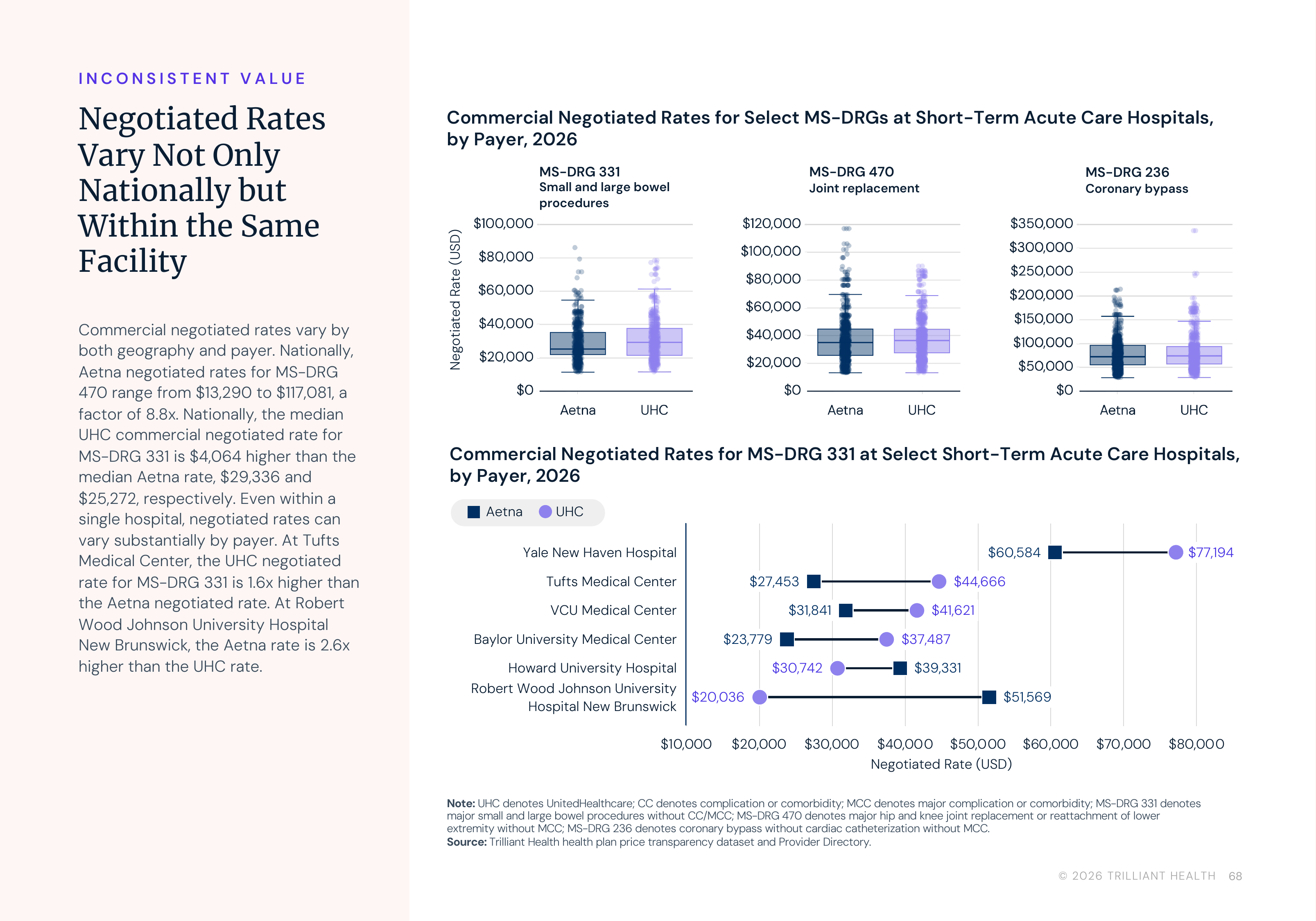
Commercial negotiated rates vary by both geography and payer. Nationally, Aetna negotiated rates for MS-DRG 470 range from $13,290 to $117,081, a factor of 8.8x. Even within a single hospital, negotiated rates can vary substantially by payer. At Tufts Medical Center, the UHC negotiated rate for MS-DRG 331 is 2.6x higher than the Aetna negotiated rate.
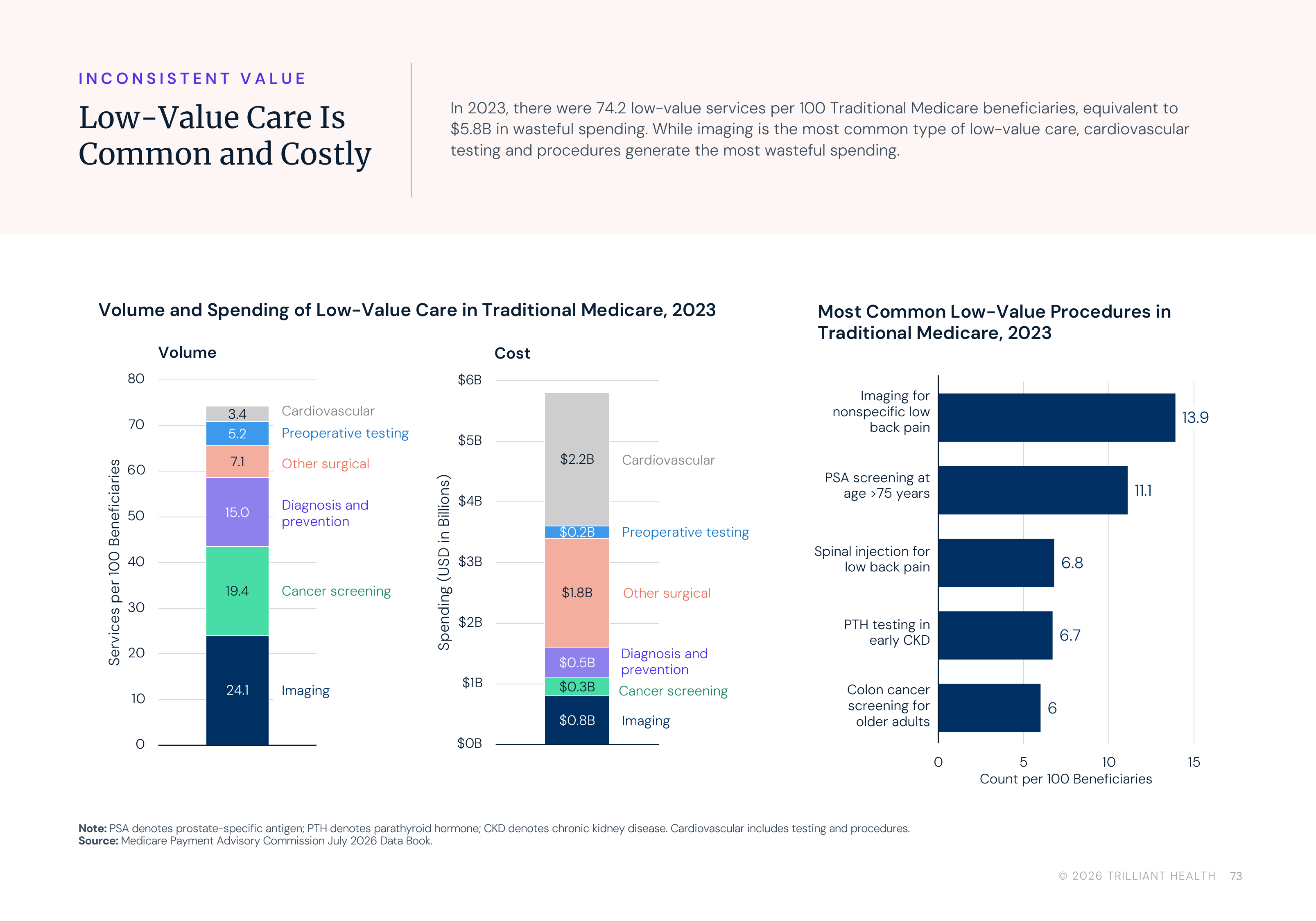
In 2023, there were 74.2 low-value services per 100 Traditional Medicare beneficiaries, equivalent to $5.8B in wasteful spending. While imaging is the most common type of low-value care, cardiovascular testing and procedures generate the most wasteful spending.
5. Misaligned Incentives Manifest in Systemic Fraud, Waste and Abuse
Fraud, waste and abuse are inevitable in the current U.S. healthcare system. Medicaid financing mechanisms, such as provider taxes that inflate state spending to capture incremental FMAP funding, reward creative accounting. Site-of-service payment differentials incentivize hospital ownership over independent practice. Medical loss ratio requirements, intended to limit how much premium health insurers keep for overhead and profit, instead reward them for increasing claim volumes and tunneling profits to their own vertically integrated affiliates. Certificate of need laws, intended to prevent oversupply and duplicative infrastructure, instead protect incumbent hospitals and negatively impact quality and access.
Each policy designed to constrain the system creates a workaround that is individually rational and collectively destructive, the very definition of a tragedy of a commons. Because no single actor bears the full cost of the distortion, none has sufficient incentive to correct it.
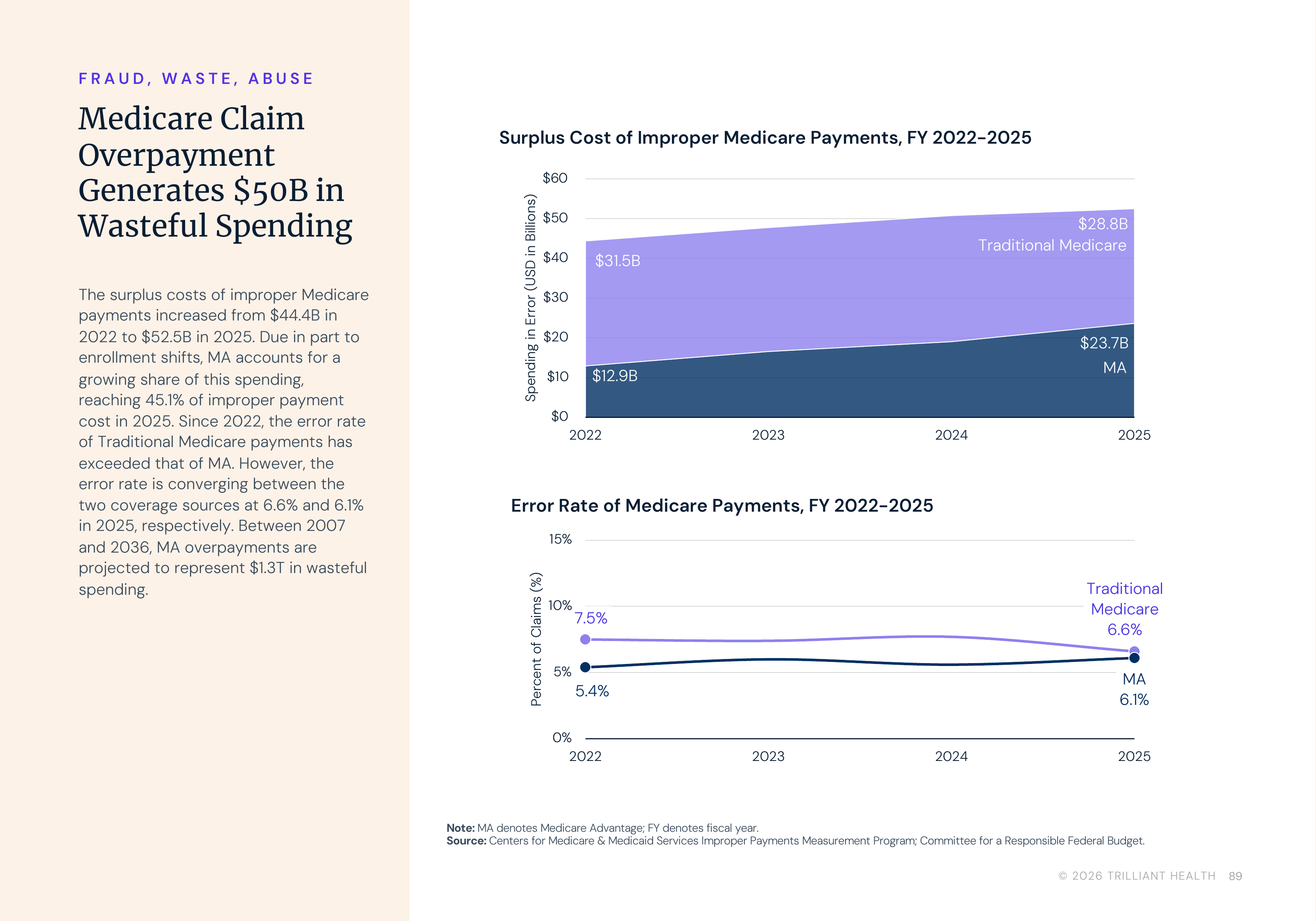
The surplus costs of improper Medicare payments increased from $44.4B in 2022 to $52.5B in 2025. Due in part to enrollment shifts, Medicare Advantage accounts for a growing share of this spending, reaching 45.1% of improper payment cost in 2025.
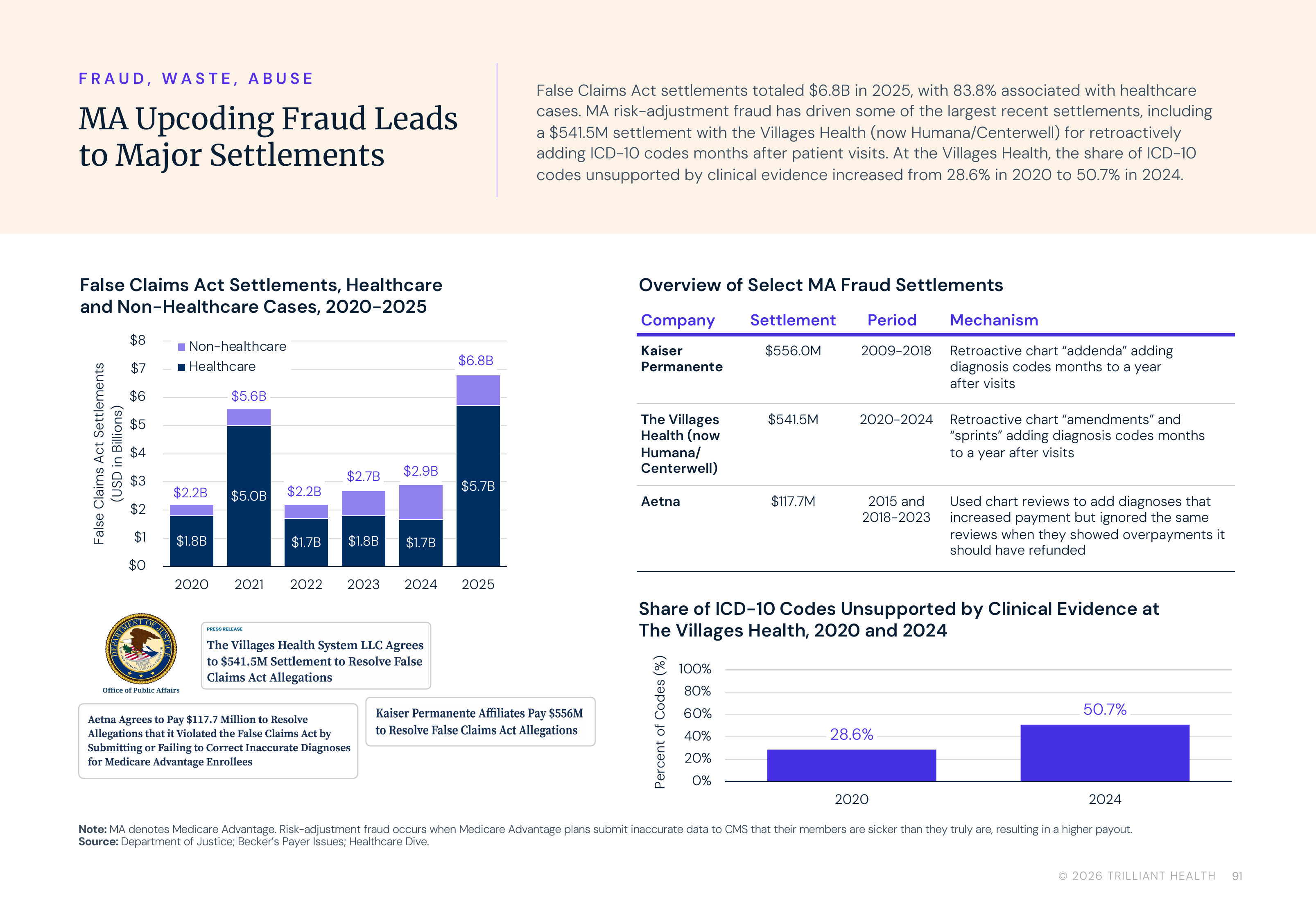
False Claims Act settlements totaled $6.8B in 2025, with 83.8% associated with healthcare cases. Medicare Advantage risk-adjustment fraud has driven some of the largest recent settlements, including a $541.5M settlement with the Villages Health (now Humana/CenterWell) for retroactively adding ICD-10 codes months after patient visits.
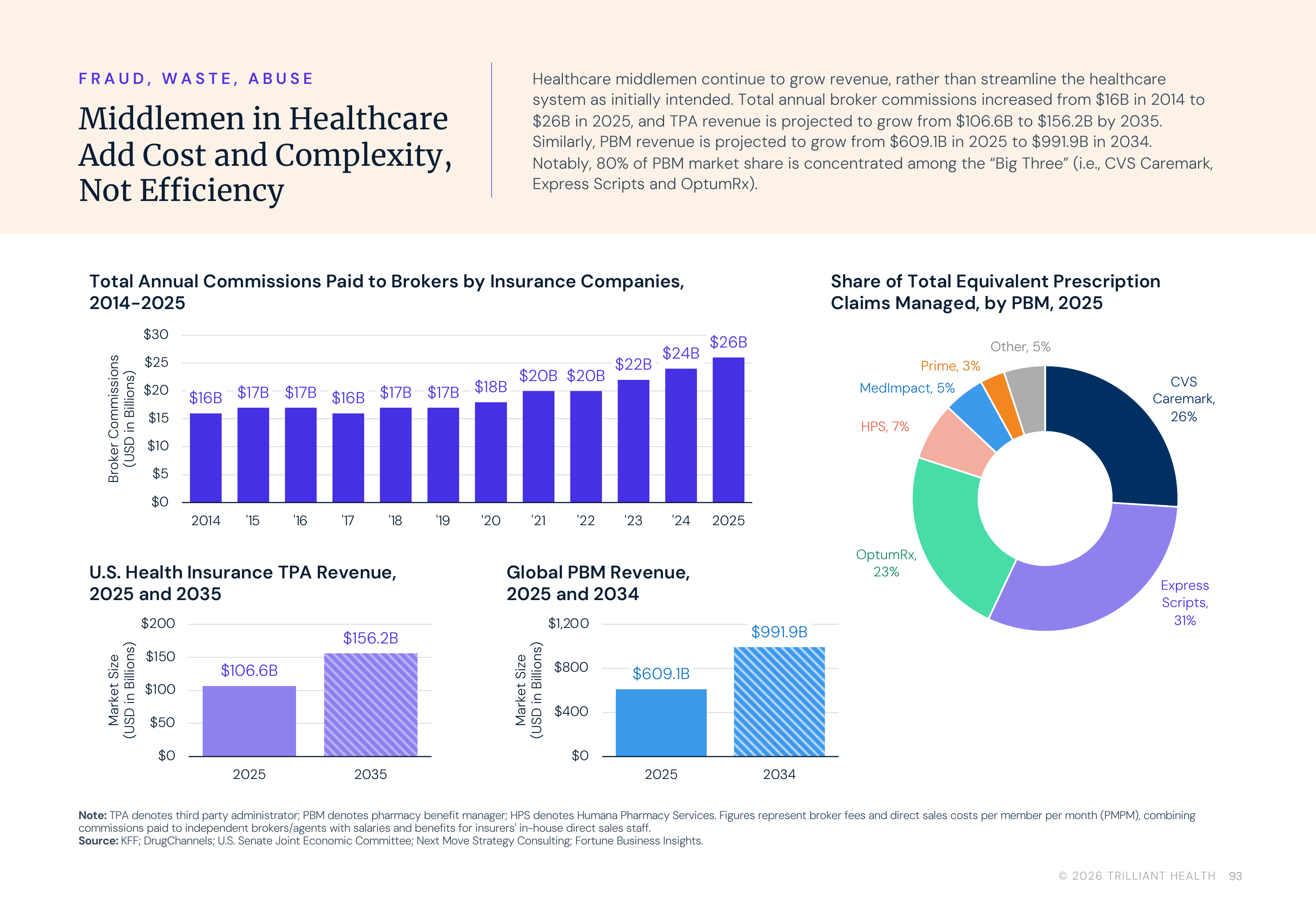
Healthcare middlemen continue to grow revenue, rather than streamline the healthcare system as initially intended. Total annual broker commissions increased from $16B in 2014 to $26B in 2025. PBM revenue is projected to grow from $609.1B in 2025 to $991.9B in 2034.
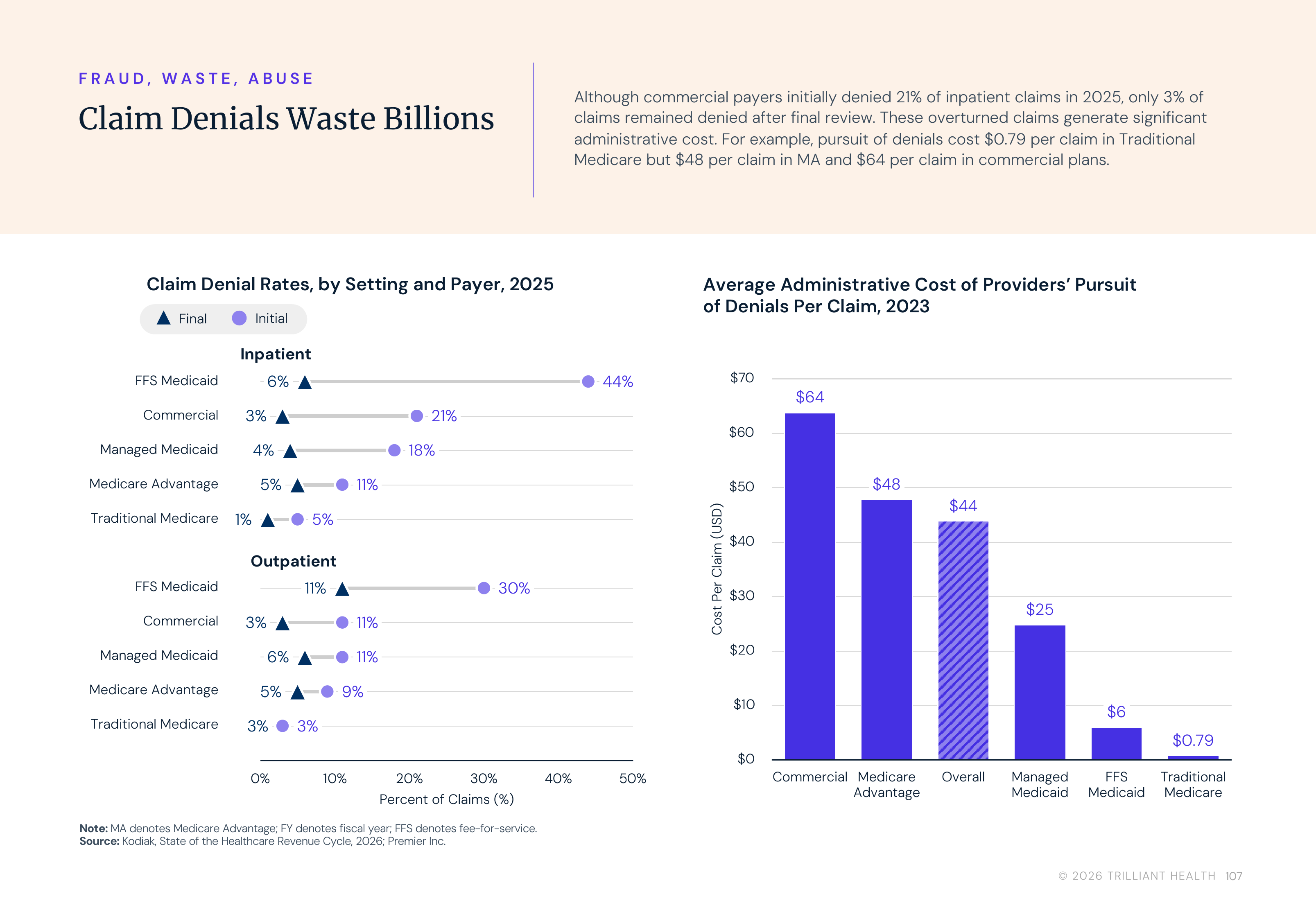
Claim denials waste billions. Although commercial payers initially denied 21% of inpatient claims in 2025, only 3% of claims remained denied after final review. These overturned claims generate significant administrative cost. For example, pursuit of denials cost $0.79 per claim in Traditional Medicare but $48 per claim in Medicare Advantage and $64 per claim in commercial plans.
6. Stakeholders Fail to Understand the Health Economy Is a Negative-Sum Game at Their Peril
For decades, the financial model of U.S. healthcare has operated on a simple premise: more procedures, more patients, more revenue. That historical model is at odds with the realities of demand, supply and yield. Revenue growth is a function of price – not volume – and is concealing margin erosion for most stakeholders. The combination of flat surgical volumes, pharmaceutical substitutes for procedures, the continued migration of care to lower-cost settings, a contracting commercially insured population and sub-inflationary Medicare rate increases are signals of a collapsing market.
Providers, payers and life sciences companies have not voluntarily aligned price with value. As a result, Federal and state governments, which finance roughly half of U.S. healthcare spending, are positioned to impose blunt unit-price constraints onto providers and manufacturers, with direct implications for revenue. The numerous policy initiatives focused on spending suggest that the U.S. health economy will incur a period of structural inversion in which capital-intensive assets – beds, operating rooms, inpatient infrastructure – will become liabilities faster than new revenue streams can replace them.
The U.S. healthcare system is not a growing market in the traditional sense. Instead, every gain in market share for one stakeholder comes at the expense of another, the enduring state of a negative-sum game, where winning is characterized by losing less than the competition. In a negative-sum game, the winners are those who recognize the nature of the competition earliest and adapt.
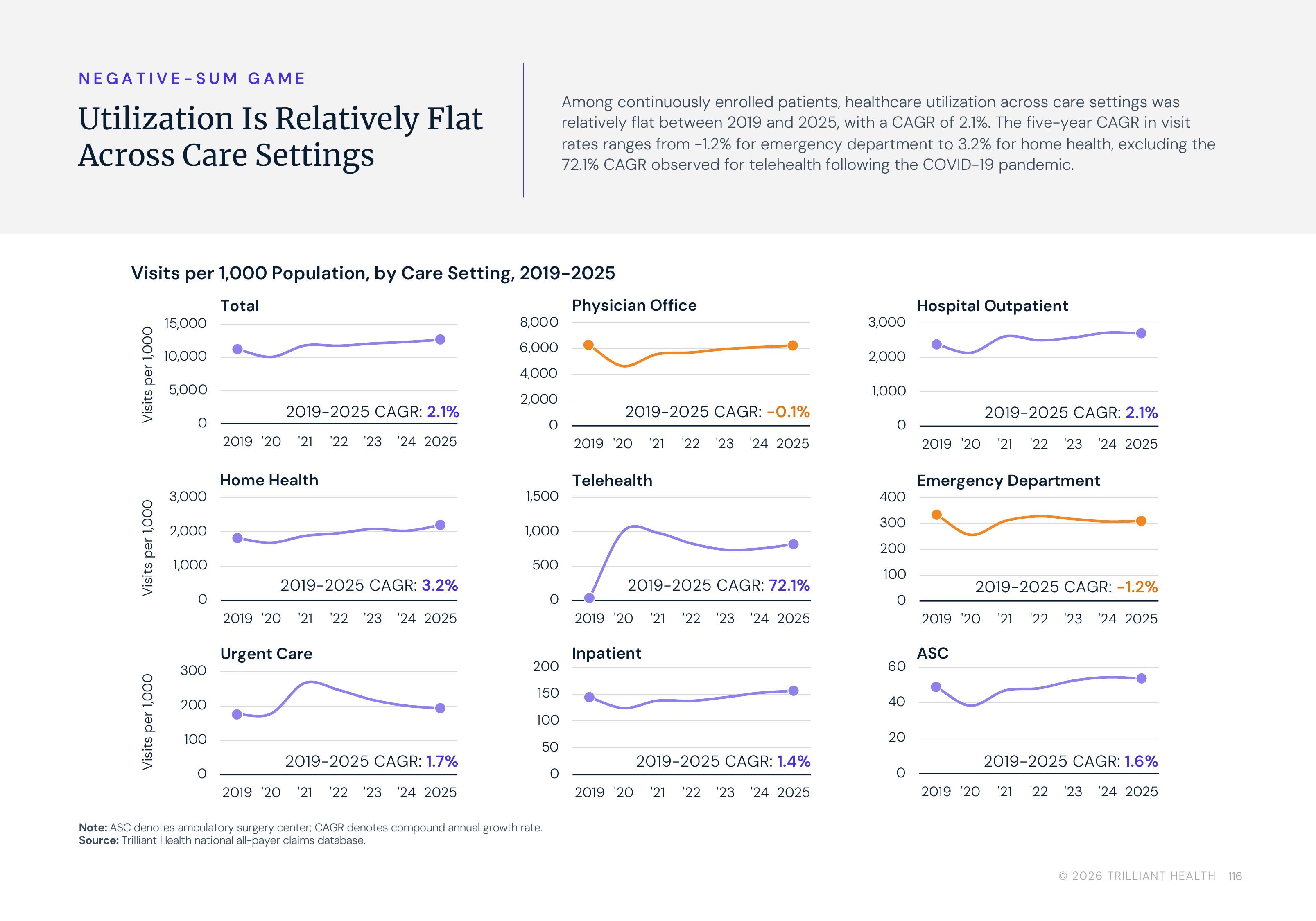
Among continuously enrolled patients, healthcare utilization across care settings was relatively flat between 2019 and 2025, with a CAGR of 2.1%.
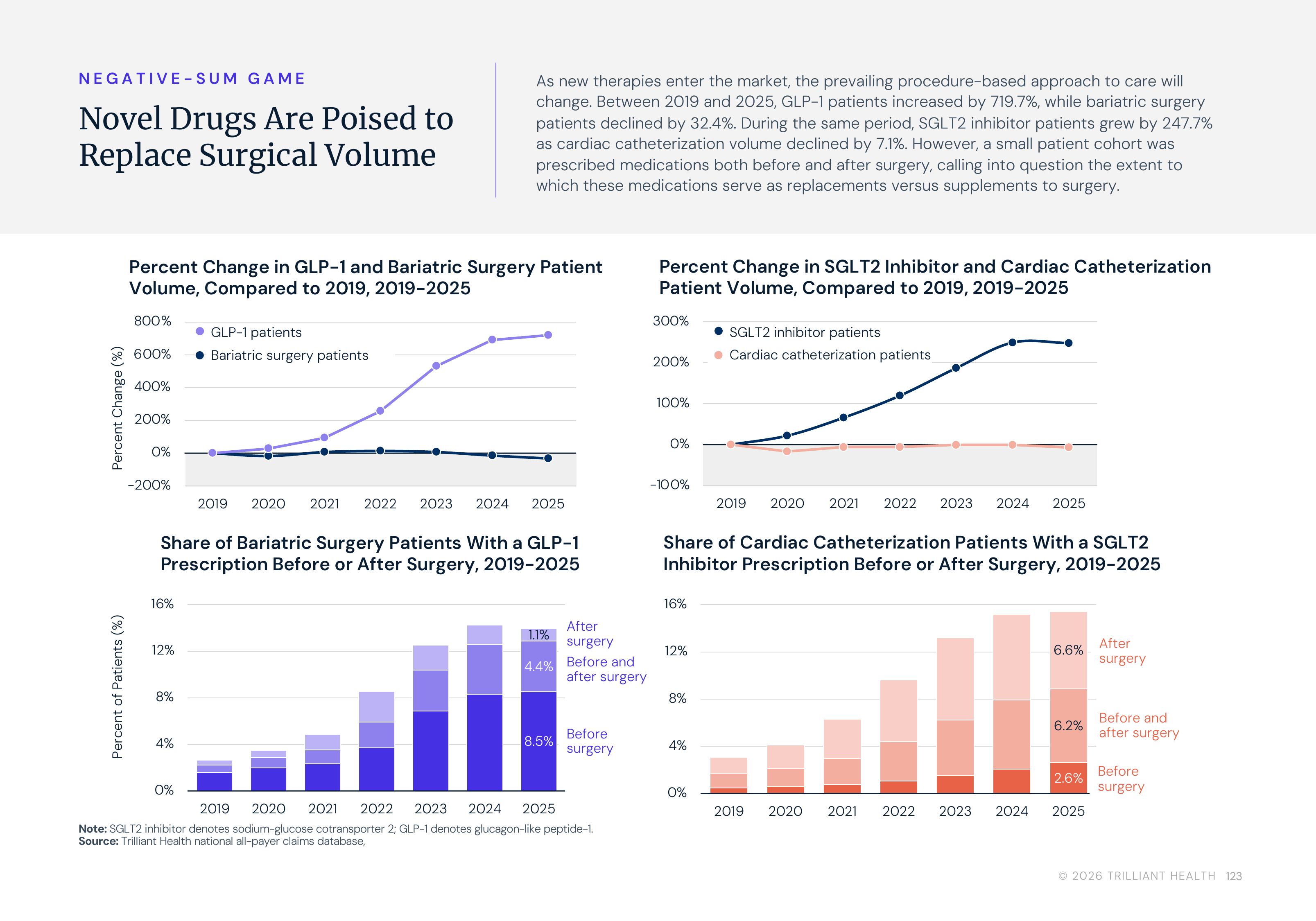
As new therapies enter the market, the prevailing procedure-based approach to care will change. Between 2019 and 2025, GLP-1 patients increased by 719.7%, while bariatric surgery patients declined by 32.4%. During the same period, SGLT2 inhibitor patients grew by 247.7% as cardiac catheterization volume declined by 7.1%.
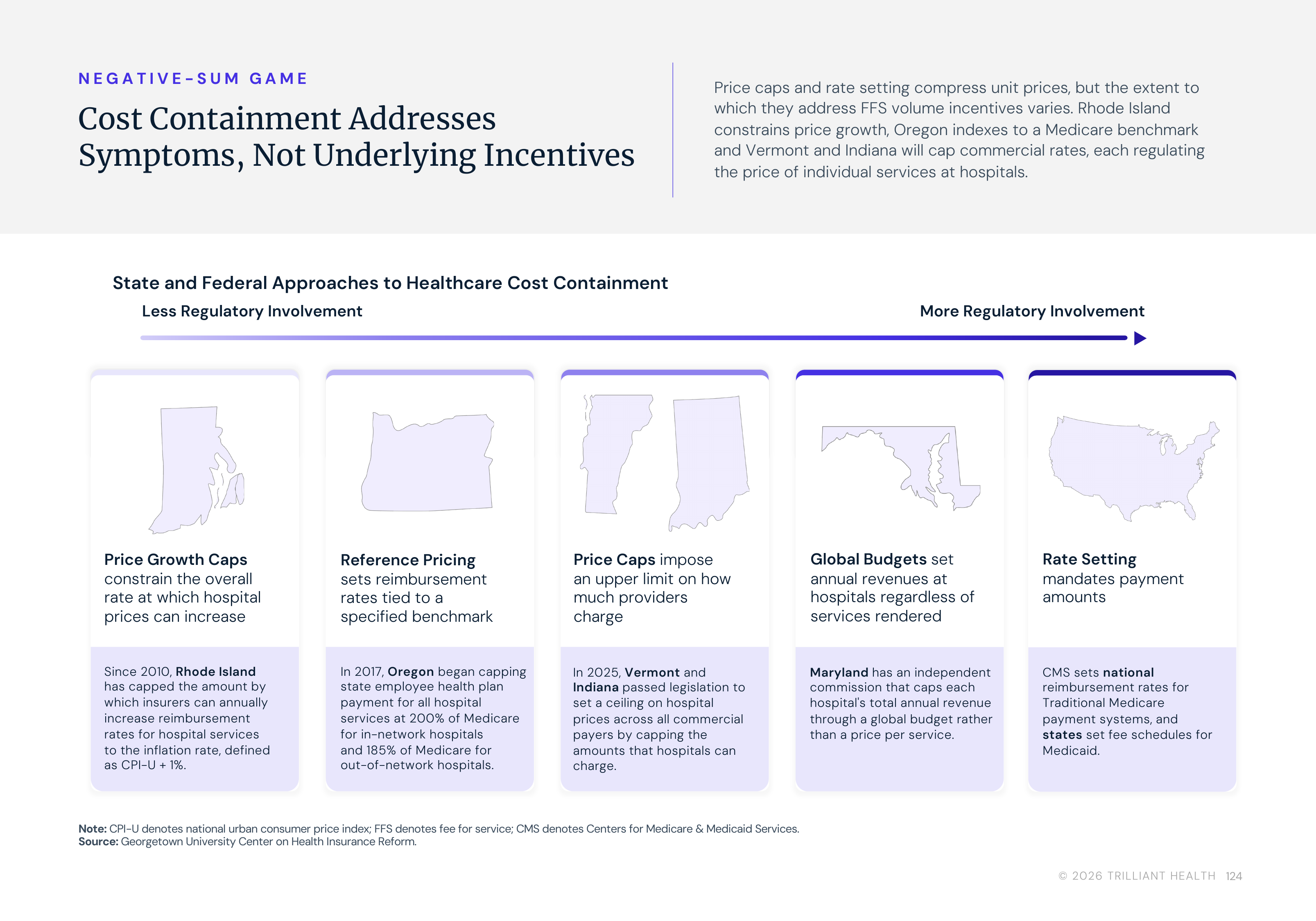
Price caps and rate setting compress unit prices, but the extent to which they address fee-for-service volume incentives varies. Rhode Island constrains price growth, Oregon indexes to a Medicare benchmark and Vermont and Indiana will cap commercial rates, each regulating the price of individual services at hospitals. Maryland takes a different approach, capping each hospital's total annual revenue through a global budget rather than a price per service.
At the Federal level, new CMS initiatives transfer financial risk directly to hospitals for the total cost of certain surgical episodes of care.
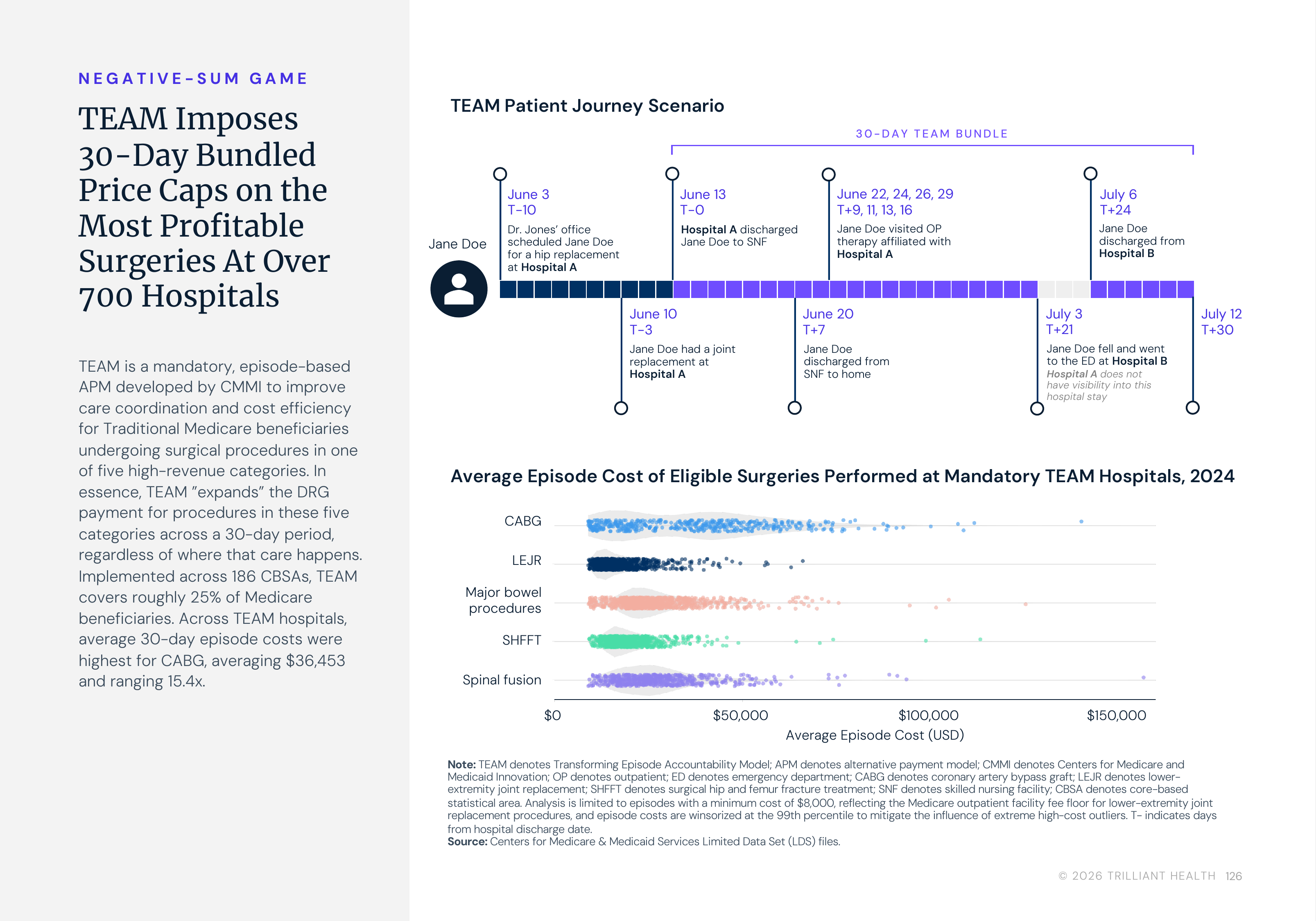
The Transforming Episode Accountability Model (TEAM) is a mandatory, episode-based alternative payment model developed by CMMI to improve care coordination and cost efficiency for Traditional Medicare beneficiaries undergoing surgical procedures in one of five high-revenue categories. In essence, TEAM "expands" the DRG payment for procedures in these five categories from the inpatient length of stay through the 30-day period following discharge, regardless of where that care happens. Implemented across 186 CBSAs, TEAM covers roughly 25% of Medicare beneficiaries. Across TEAM hospitals, average 30-day episode costs were highest for coronary artery bypass graft (CABG), averaging $36,453 and ranging 15.4x.
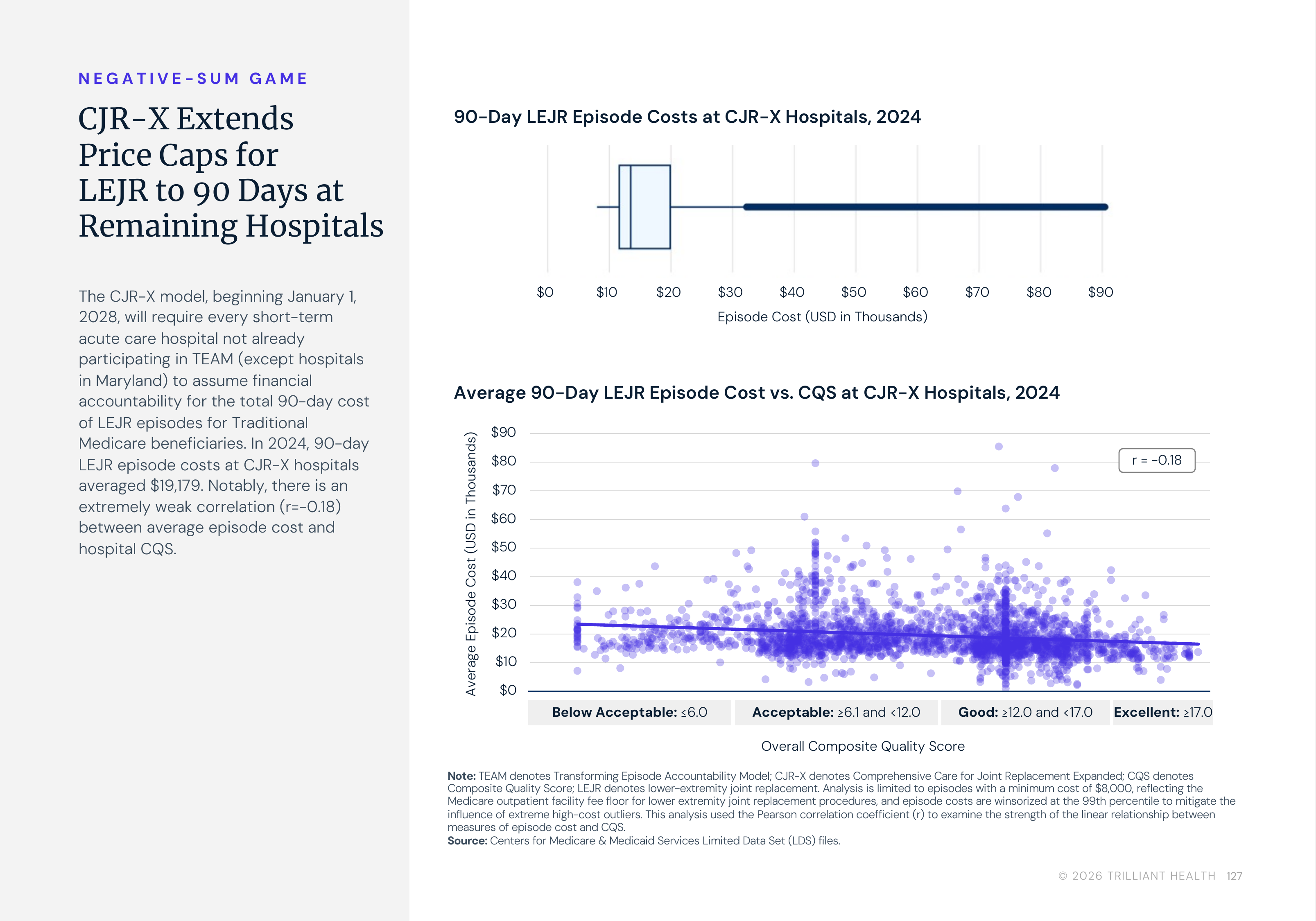
Beginning January 1, 2028, CMS will transfer financial responsibility for certain surgical episodes of care to almost every U.S. hospital. The Comprehensive Care for Joint Replacement Expanded (CJR-X) model will require every short-term acute care hospital not already participating in TEAM (except hospitals in Maryland) to assume financial accountability for the total 90-day cost of lower-extremity joint replacement (LEJR) episodes for Traditional Medicare beneficiaries. In 2024, 90-day LEJR episode costs at CJR-X hospitals averaged $19,179. Notably, there is an extremely weak correlation (r=-0.18) between average episode cost and hospital quality scores.
Bringing Value to the U.S. Health Economy Requires Enclosing the Commons
Because of the scope of the health economy’s tragedy of the commons, reform is inevitable. The question is whether change is pursued proactively from within the system or imposed externally through government intervention. Who will assign ownership, cost and accountability to the parties that have so far escaped them, and which stakeholders will be impacted the most?
Hardin considered two paths out of the tragedy he described. One was enclosure: converting an open-access resource, one anyone can use and no one is individually responsible for maintaining, into a bounded resource with a specific, accountable owner who bears the full cost and captures the full benefit of their own decisions. Applied to grazing land, enclosure meant fencing the commons and assigning each parcel to a herder, who could no longer profit from overgrazing a pasture that was now their own. The other was what Hardin called "mutual coercion, mutually agreed upon," rules imposed and enforced from outside, typically by government, regardless of whether any individual user agrees to them. The choice is stark: choose to enclose yourself or be enclosed by government regulation.
To begin building fences in the health economy, two things are required, one is a question of values and the other is a question of data.
First, stakeholders must agree on a shared goal. The tragedy of the commons is rooted in the reality that Americans have never reached a consensus: what is the U.S. healthcare system intended to deliver, to whom and at whose expense?
Second, enclosure requires accountable owners. However, owners cannot be held accountable for costs that cannot be identified, and for most of the U.S. health economy's history, its costs were hidden by design and in accordance with antitrust laws. Price transparency has, for the first time, made it possible to calculate the cost of healthcare goods and services across markets, providers and clinical alternatives. With this information, stakeholders across the health economy can build fences that create accountability for delivering value for money.
Enclosure from within depends on a precondition that has not yet been resolved: a shared understanding of what the health economy is intended to deliver, to whom and at whose expense.
The rest of the world provides ample evidence of how a value-informed enclosure manifests. The most comparable example is England’s National Health Service, for which value for money is a stated, if undelivered, goal.
What should a healthcare system maximize, and which medical services and which stakeholders contribute to that goal? Who is responsible for financing that care? The individual, the employer or the government? And in turn, what is the purpose of health insurance itself? A risk pool for catastrophic, unpredictable events, as in every other insurance market, or a prepaid reimbursement mechanism for predictable, near-certain encounters and preventive care?
This report does not explicitly answer these questions, but it insists they be answered purposefully, and soon. As a starting point, this report asserts that value exists at the intersection of cost and quality. However, because value exists on a continuum, determining where high-value care begins and ends is something that the U.S. health economy will need to decide. Enclosing the health economy according to a shared value framework provides an opportunity to deliberately choose what to prioritize, how to assign accountability and which stakeholders should bear the cost.
Importantly, this report reveals that Federal and state governments have already imposed several partial enclosures tied to cost: bundled payment models like TEAM and CJR-X enclose an episode of care, state-level price caps enclose a market and Medicare's drug price negotiation under the Inflation Reduction Act encloses manufacturer pricing power. Unless we, as a society, begin to deliberately enclose the U.S. healthcare commons with a focus on value, the government will continue to fence it in for us with a focus on cost.
Get the latest insights delivered to your inbox.
Was this shared with you?
Subscribe for weekly insights.
Subscribe to receive weekly insights from Trilliant Health's Research Team
Interested in citing our research? Please follow this guide.