Here's how we approach data challenges, develop machine-learning infrastructure, build end-user applications and create open-source tools.
How It Works
An inside look at how we tackle technical problems
These articles explain how our data engineers and machine-learning experts solve the inherent challenges of messy claims data.
How It Works
An inside look at how we tackle technical problems
These articles explain how our data engineers and machine-learning experts solve the inherent challenges of messy claims data.
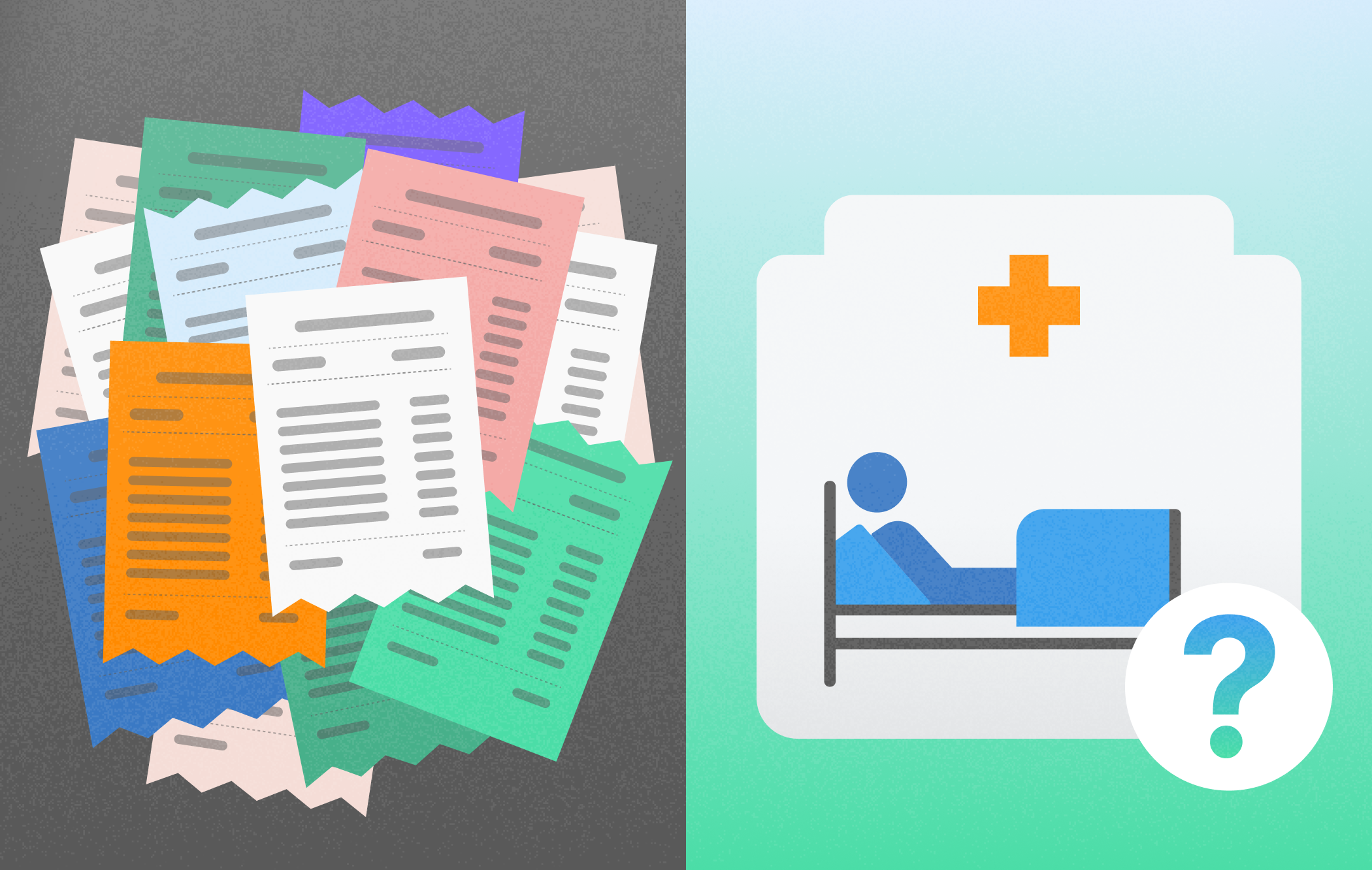
What Is a Visit? Why We Don't Use Raw Claims
Claims are receipts for services rendered, not records of what was done with them. We use machine learning to convert raw claims into Visits — an event-level structure that reflects how healthcare activity actually happened.
Read More.png)
Enhancing NPPES: A More Accurate Provider Directory
NPPES relies on self-reported, infrequently updated data. We determine active status, specialty and organizational relationships directly from recent claims activity, refreshed monthly.
Read More.png)
Converting Raw Rates Into Real Insights: Our Approach to Price Transparency
Machine-readable files show negotiated rates, but not who's actively billing for those services or where. We link TiC data to our provider directory and utilization data to filter out zombie rates and attribute revenue accurately.
Read More
Why Your Chatbot Can't Do Strategy
Which LLM you use matters less than the harness around it — the system that governs what the model sees, what tools it can call and how its output gets verified. That's what determines whether AI can actually answer a strategy question.
Read MoreWhy This Matters
"Anyone can type a question into a chatbot and get a plausible answer. Getting the best answer means understanding the data and context behind it."
Matt O'Neill · EVP and Chief Data Officer